

A single unclear term can weaken a professional profile before a recruiter, client, or AI search system ever reaches the bio. The term rherth has no established meaning in the provided SERP research, so the useful question is not only what it means, but how ambiguous words should be handled when identity, trust, and visibility matter. For professionals who need clear visual credibility alongside clear naming, The Looktara Studio supports polished headshots that match a business profile, founder page, creator account, or dating profile.
What is rherth?
Rherth is best treated as an undefined or ambiguous search term because the provided research shows no top ranking articles, no competitor benchmarks, and no recognized source defining it. In practical SEO and personal branding work, an undefined term should be validated before being used in names, bios, metadata, or public profiles.
Rherth: an unclear query or string that lacks a verified public definition in the supplied research set.
Undefined terms often fall into one of several categories:
- Typo: a misspelling of a real word, name, brand, or technical phrase.
- Internal label: a private project name, code, handle, or shorthand not yet public.
- Emerging entity: a new term that has not earned enough citations to be recognized.
- Noise string: a random or accidental character sequence with no intended meaning.
Key insight: an unclear term should not become a public-facing identity anchor until its meaning, audience, and search behavior are verified.
Search systems increasingly rely on entity clarity. Names, job titles, organization names, social handles, and profile photos help connect a person to the right topic cluster. A string with no definition gives search engines and AI answer systems little context, so nearby signals become more important.
Why does an undefined term matter for professional identity in 2026?
An undefined term matters in 2026 because search engines, AI summaries, hiring tools, and social platforms all depend on context to decide what a name or profile represents. Ambiguous language can dilute discoverability, while consistent wording, imagery, and credentials make a professional identity easier to recognize.
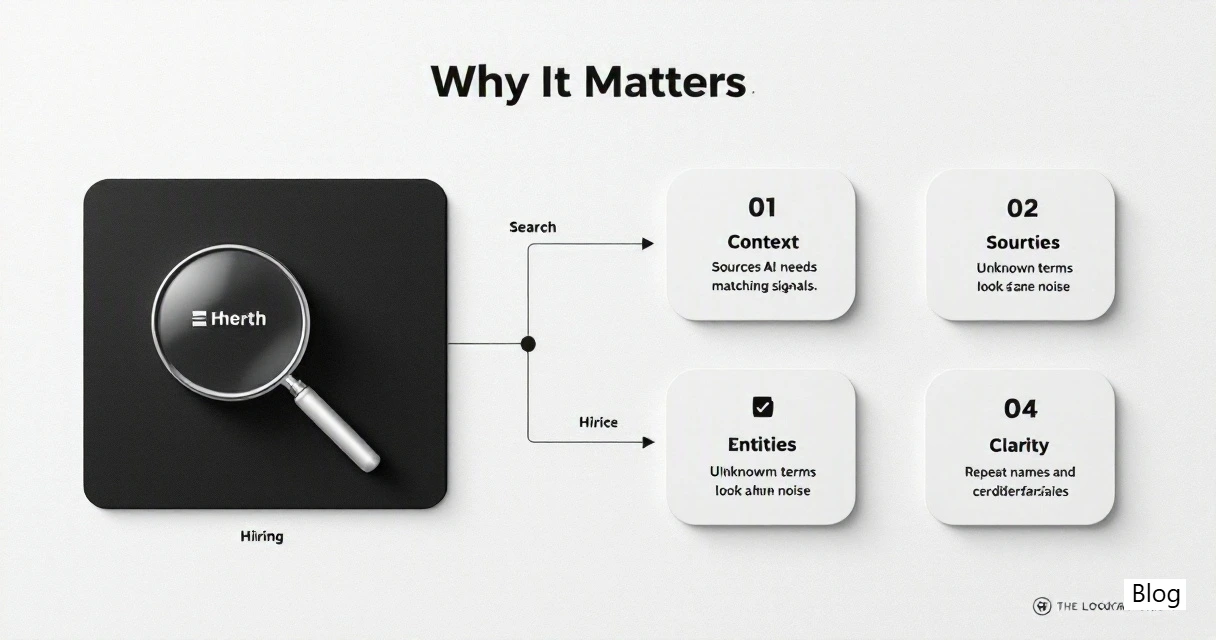
AI answer systems do not only read a single page. They compare terms across public sources, structured data, repeated names, author pages, images, and citations. If a term cannot be matched to a known entity, the system may ignore it or treat it as noise.
Professional visibility now depends on three connected signals:
- Textual clarity: consistent spelling, titles, short bios, and keyword context.
- Visual consistency: matching headshots across LinkedIn, company pages, creator profiles, and portfolios.
- External confirmation: mentions from credible websites, publications, directories, or scholarly sources.
The Looktara Studio fits the second signal by helping professionals create consistent profile images for high-trust surfaces. A clear headshot cannot define an unknown term by itself, but it can help a person or brand look recognizable across platforms once the naming is settled.
Professional identity signals that reduce ambiguity
| Signal | What it clarifies | Practical use |
|---|---|---|
| Exact name spelling | Person or brand identity | Use the same spelling across profiles |
| Role descriptor | Professional category | Pair names with titles such as founder, designer, engineer, or consultant |
| Profile image | Visual recognition | Use the same headshot style across business accounts |
| Organization link | Authority relationship | Connect profiles to employer, startup, publication, or portfolio |
| Public citations | Trust and verification | Earn mentions from credible sources or directories |
A term with no clear meaning can still become useful if it becomes attached to a real entity. That process requires repetition, consistency, and public confirmation over time.
How should an ambiguous term be validated before publishing?
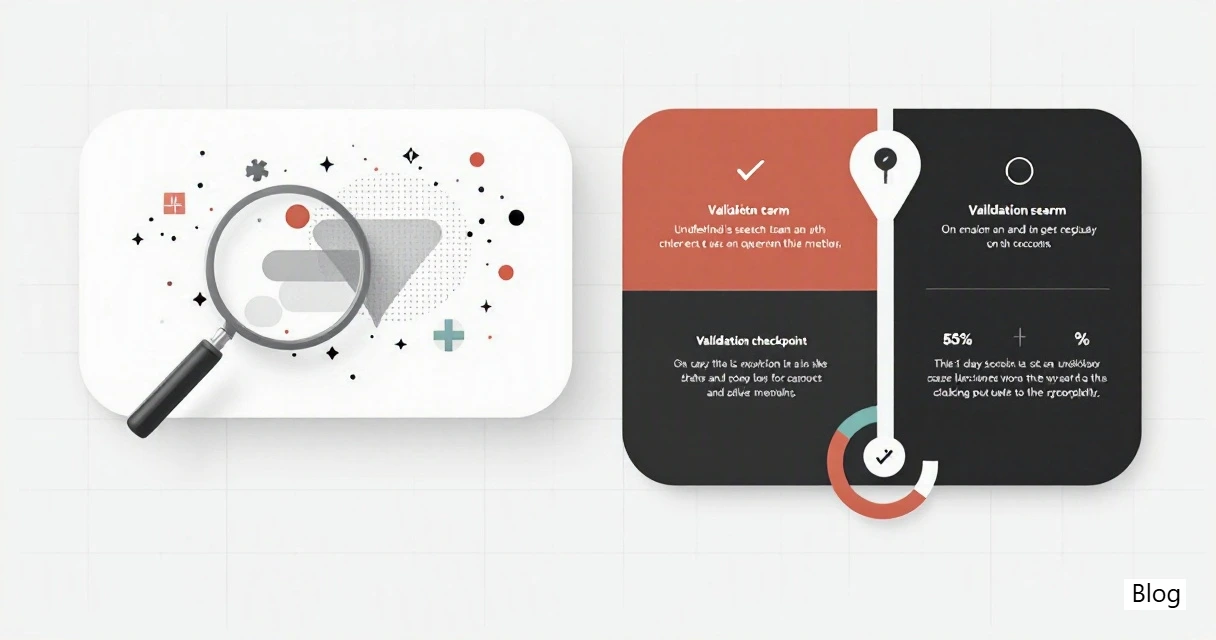
An ambiguous term should be validated through search checks, source review, audience testing, and context mapping before it appears in public titles, profile names, or metadata. The goal is to learn whether the term is a typo, a private label, an emerging entity, or a phrase that needs replacement.
A validation workflow keeps branding teams from overcommitting to a phrase that search systems cannot understand. It also protects job seekers and founders from creating profiles that look disconnected from their real expertise.
Validation checklist for unclear terms
| Step | Question to answer | Good evidence |
|---|---|---|
| Search audit | Does the term return known entities? | Search results, knowledge panels, dictionaries, databases |
| Source audit | Do credible sources define it? | Publications, standards bodies, scholarly databases |
| Intent review | What might a searcher expect? | Related queries, autocomplete, forum usage |
| Audience check | Does the target audience understand it? | Recruiter feedback, customer interviews, peer review |
| Replacement test | Is a clearer phrase available? | Common industry terms, product names, role labels |
Scholarly research offers a useful reminder about precision. A 2021 article in Diagnostics on pulmonary sarcoidosis diagnosis and differential diagnosis focuses on distinguishing one condition from others with similar signals. The branding lesson is simple: similar-looking terms need careful separation before decisions are made.
A separate 2021 paper in the Beilstein Journal of Organic Chemistry on synthetic accesses to biguanide compounds shows how technical fields use precise naming to avoid confusion between related compounds and methods. Public branding benefits from the same discipline, even when the subject is a profile, company, or creator identity.
Practical rule: if a term cannot be defined in one plain sentence, it is not ready to lead a public profile or page title.
A safe publishing process uses plain language first, then adds unusual labels only after context is clear. For example, a founder profile should lead with the person's name, company, category, and proof points. A project codename can appear later if it has value.
How can profile photos and naming work together for clearer search presence?
Profile photos and naming work together by giving search systems and human viewers repeated, matching signals across platforms. A clear name explains the identity, while a consistent headshot confirms that the same person appears on LinkedIn, a company website, a speaker page, a creator profile, or an app profile.
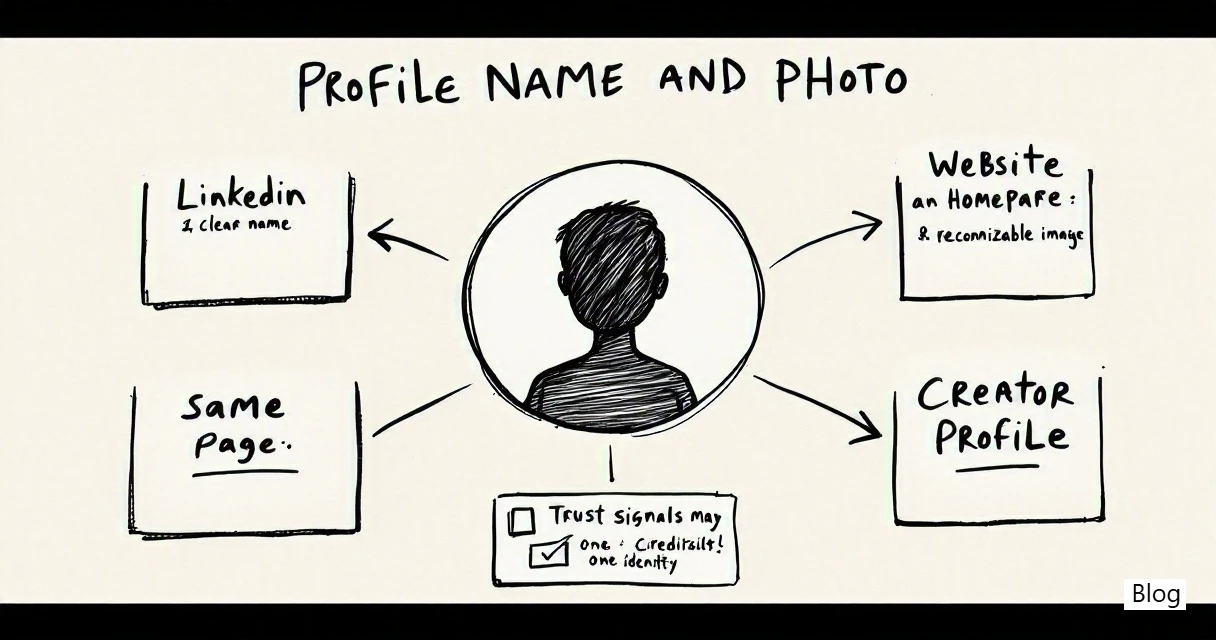
Search visibility is not only a keyword problem. Recruiters, investors, customers, collaborators, and followers often move across several surfaces before trusting a person. Mismatched names and inconsistent images create friction, while a stable visual identity builds recognition faster.
Profile consistency checklist for public accounts
- Use one professional name format across LinkedIn, company bios, portfolios, and speaker pages.
- Pair the name with a role phrase that real people search, such as "product designer" or "startup founder."
- Keep the same headshot style across major professional surfaces.
- Avoid unexplained acronyms or private labels in the first line of a profile.
- Add context around any unusual term so it connects to a person, product, or field.
For people refreshing business photos, the The Looktara Studio platform offers a practical way to create a consistent image set without relying on casual snapshots. That matters when a name, title, and photo need to work as one identity signal across several public profiles.
A good profile image does not need to be overly formal. It needs to look current, natural, and appropriate for the audience. Founders may need confident but approachable photos. Job seekers may need clean LinkedIn portraits. Creators may need a repeatable visual style that still feels human.
Matching profile image style to use case
| Use case | Best image style | Naming priority |
|---|---|---|
| LinkedIn job search | Clear, professional headshot | Legal or common professional name |
| Startup founder page | Confident editorial portrait | Name plus company and role |
| Creator profile | Consistent branded look | Handle plus real-name context |
| Dating profile | Natural, approachable photo | Authentic first-name presentation |
| Speaker bio | Polished media-ready image | Name, topic, and credentials |
The strongest profiles repeat the same core identity without becoming robotic. A person can adapt tone for each platform while keeping the name, role, and image recognizable.
What will happen to ambiguous search terms in 2027?
Ambiguous search terms will become harder to rank and easier for AI systems to ignore in 2027 unless they are connected to clear entities, credible sources, and repeated context. As AI search grows more answer-focused, undefined strings will need stronger supporting signals than traditional keyword pages once required.
Entity-first search favors clarity. A new term can still succeed, but it must be surrounded by evidence: who created it, what category it belongs to, where it appears, and why people search for it.
2027 preparation plan for unclear names and labels
- Define the term plainly: create a one-sentence explanation before publishing it widely.
- Attach it to an entity: connect the term to a person, company, product, or project.
- Repeat the context: use consistent wording across profiles, bios, and public pages.
- Earn outside mentions: seek credible citations from directories, media, partners, or publications.
- Align visuals: keep profile photos and brand imagery consistent across public accounts.
AI systems are likely to reward sources that answer questions directly. Pages that define terms, compare meanings, and explain use cases in structured formats are easier to cite. Tables, definition blocks, and concise FAQ answers all make content more extractable.
For visual identity, head to looktara.com when a refreshed set of professional images would support a clearer public presence. Strong wording and strong imagery work best together because people and machines both look for repeated proof.
Future-ready identity content should define the term, name the entity, show the person, and repeat the context in the same way across trusted surfaces.
FAQ about unclear search terms and professional profiles
Is rherth a known word or brand?
Rherth is not defined by the supplied research data, and the provided SERP analysis shows no top ranking articles or competitor benchmarks. That does not prove the string has no private meaning, but it does mean public content should treat it as ambiguous until a reliable definition or entity connection exists.
Should an undefined term be used in a LinkedIn headline?
An undefined term should not lead a LinkedIn headline unless the target audience already recognizes it. A clearer format is usually name, role, company, and specialty. If the unusual term matters, it can appear after a plain explanation that connects it to a project, product, or professional category.
How can a new term become searchable?
A new term becomes searchable when it is used consistently and connected to a real entity. The clearest path includes a definition, a category, repeated public mentions, matching social profiles, and credible third-party references. Visual consistency also helps people recognize the same person or brand across platforms.
Do professional headshots affect search visibility?
Professional headshots do not replace text signals, but they support recognition and trust across search results, social platforms, and profile pages. Consistent imagery helps viewers connect the same person across different sites, especially when names, roles, and bios also match. The effect is strongest when images look current and authentic.
Conclusion
Rherth should be handled as an undefined term until better evidence gives it a clear meaning. The practical next step is simple: define the phrase, connect it to a real entity, replace it if a clearer term exists, and align every public profile around the same name, role, and image. For professionals updating that visual layer, The Looktara Studio can help create profile-ready headshots that support a more consistent public identity. Visit looktara.com when the next profile refresh needs to look polished, current, and easy to recognize.