
A strange search term can expose a real problem: many people know they need a better profile image, but they don't yet have the words to describe it. If rgrwh is a placeholder, typo, internal code, or rough brief, the smart move is not to guess. Treat it as a prompt to define the photo outcome you actually need: credibility, approachability, consistency, and platform fit. For professionals who want polished profile images without booking a full studio session, The Looktara Studio can help turn a vague idea into usable, brand-aligned headshots.
What is rgrwh in a professional photo brief?
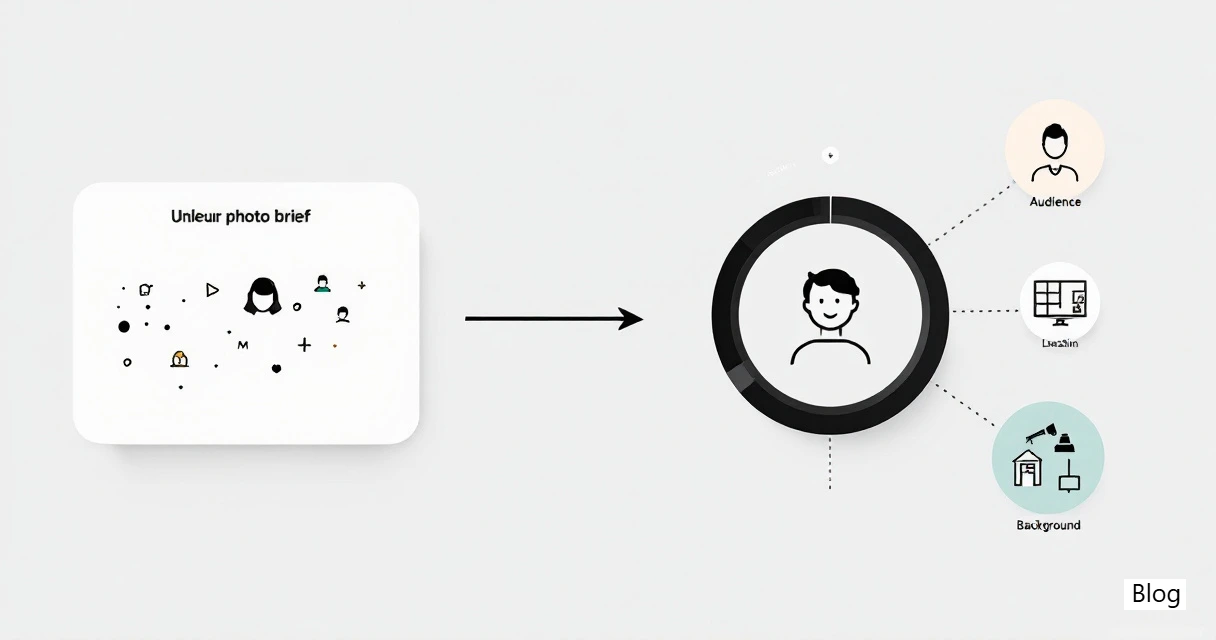
rgrwh is best treated as an undefined brief term, not a recognized photography standard. In practice, it should trigger a clarification process: identify the audience, platform, tone, background, clothing, crop, and final use before creating or choosing professional images.
rgrwh: An unclear keyword, placeholder, or shorthand that needs translation into concrete visual requirements before it can guide a headshot or profile photo project.
Key insight: when a brief is unclear, don't fill the gap with style guesses. Convert the unknown term into decisions the image must support.
Search research supplied for this article did not include ranking pages, competitor benchmarks, Wikipedia definitions, YouTube embeds, or source URLs for this exact term. That matters because no credible public source should be cited as defining it. The useful path is a practical one: create a decision framework instead of pretending the term has an established meaning.
Clarification checklist before any image work
Use this quick checklist before selecting a photographer, AI headshot generator, or editing workflow:
- Primary use: LinkedIn, company bio, press kit, creator profile, dating app, or investor deck.
- Audience: recruiters, customers, partners, followers, matches, or media contacts.
- Tone: executive, friendly, creative, technical, luxury, casual, or approachable.
- Format: square avatar, vertical portrait, website crop, banner-safe image, or print-ready file.
- Constraints: deadline, budget, clothing access, brand colors, and image rights.
A vague brief becomes workable only when each of these items has an answer.
How should you translate an unclear brief into headshot requirements?
You should translate an unclear brief into headshot requirements by moving from purpose to visual choices. Start with the platform, define the viewer's expected reaction, choose a background and wardrobe style, then specify file formats, crops, and approval criteria.

A professional photo is not just a nice face shot. It is a trust signal. Job seekers need clarity and competence. Founders need credibility and energy. Creators need recognition across platforms. Dating app users often need images that feel polished but still natural.
Decision table for common profile photo goals
| Use case | Best visual direction | Avoid | Success signal |
|---|---|---|---|
| LinkedIn profile | Clean background, direct eye contact, professional clothing | Heavy filters or busy rooms | Viewer understands your role quickly |
| Founder bio | Confident expression, modern setting, brand-aligned colors | Overly stiff corporate poses | Image feels credible to investors and customers |
| Startup team page | Consistent crop, lighting, and background style | Mismatched selfies across employees | Team looks unified and current |
| Creator profile | Recognizable face, expressive style, repeatable color palette | Trendy edits that age quickly | Profile is easy to recognize in feeds |
| Dating profile | Natural expression, flattering light, real-world context | Corporate headshot stiffness | Photo feels attractive and authentic |
The The Looktara Studio platform fits this planning stage well when you need consistent, professional-looking images for multiple channels. It is especially useful when your goal is not one perfect portrait, but a set of polished options that can work across LinkedIn, business bios, social accounts, and personal profiles.
A five-step translation process
Follow this sequence when the starting brief is vague:
- Name the outcome: Decide whether the image should help you get interviews, earn trust, attract clients, or improve profile quality.
- Pick the platform first: LinkedIn, a company website, and a dating app reward different visual cues.
- Define three adjectives: Choose words such as warm, precise, senior, creative, relaxed, or premium.
- Set non-negotiables: Include crop size, background preference, clothing rules, and deadline.
- Approve by use case: Judge the image where it will appear, not just in a full-screen preview.
This keeps the project focused and reduces subjective back-and-forth.
What makes a professional profile photo credible in 2026?
A credible professional profile photo in 2026 looks current, clear, and platform-aware. The strongest images show the face clearly, use controlled lighting, match the person's field, and avoid visual choices that make the photo feel outdated, artificial, or disconnected from the profile text.
The best headshots are no longer limited to formal studio portraits. Remote teams, AI-assisted photo workflows, and personal branding have widened the range of acceptable looks. Still, the core rule has not changed: the image should make the viewer trust the person faster.
Credibility signals that work across platforms
- Clear face visibility: Eyes, expression, and face shape should be easy to read at small avatar size.
- Consistent lighting: Soft, even lighting usually feels more professional than harsh shadows.
- Intentional background: Neutral, office, outdoor, or branded settings can work if they do not distract.
- Natural expression: A relaxed, alert expression often beats a forced smile.
- Wardrobe fit: Clothing should match the role, industry, and viewer expectation.
- Recent appearance: Hair, glasses, facial hair, and general styling should match how you look now.
A profile photo fails when it creates friction. If the viewer pauses to wonder when, where, or why it was taken, the image is doing too much.
Where AI-assisted headshots fit
AI-assisted headshots are useful when speed, variety, and consistency matter. They can help professionals test several backgrounds, wardrobe styles, and crops without scheduling a traditional shoot. The best results still depend on clear input photos, realistic style choices, and careful selection.
Avoid treating generated images as costume changes for a false identity. Your photo should still look like you on a normal workday or first meeting. That balance matters for recruiters, clients, founders, and anyone trying to build trust before a conversation starts.
How can different audiences use the same headshot strategy?
Different audiences can use the same headshot strategy by changing the tone, not the whole process. The core decisions stay the same: define the viewer, select the platform, choose a style, check authenticity, and export the right crops.
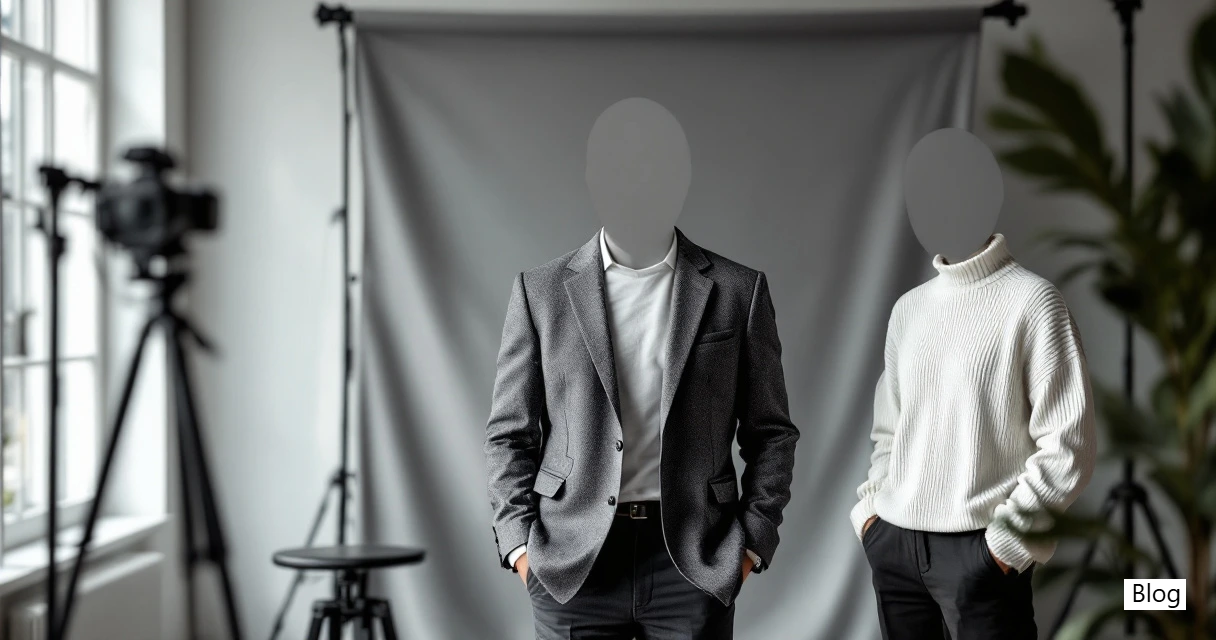
One person may need several versions of a professional image. A founder's investor bio may call for a sharper, more executive look. The same founder's social profile may perform better with a warmer crop and less formal background.
Audience-specific recommendations
| Audience | Best approach | Practical tip |
|---|---|---|
| Job seekers | Prioritize clarity, role fit, and confidence | Match clothing to the jobs you want, not the job you left |
| Founders | Show credibility without looking distant | Use a modern background and direct expression |
| Startup employees | Keep team visuals consistent | Agree on crop, lighting, and background rules |
| Content creators | Build recognition through repeatable style | Use similar colors across platforms |
| Dating app users | Look natural, current, and approachable | Choose images that feel like real life, not a résumé |
With The Looktara Studio, users can create photo sets that support these different contexts without making every profile look identical. That matters because consistency should not mean sameness.
Simple approval rules before publishing
Before using a new profile image, review it in the actual place it will appear:
- Upload it privately or preview it at avatar size.
- Check whether your face is readable on mobile.
- Compare it with your headline, bio, or prompt answers.
- Ask one trusted person what impression it gives in three words.
- Keep the strongest two or three versions for different contexts.
Small-screen testing often reveals issues that a large preview hides.
What should you do next if your brief still says rgrwh?
If your brief still says rgrwh, turn it into a one-page photo specification before producing images. Define the goal, audience, platform, style, approval rules, and delivery formats so the final headshot supports a real professional or personal outcome.
A one-page specification prevents confusion and saves time. It also makes feedback easier because every comment can refer back to the intended use.
One-page brief template
Copy this structure and fill it in before creating your next profile image:
- Goal: What should this photo help me achieve?
- Primary platform: Where will it appear first?
- Audience: Who needs to trust, hire, follow, fund, or contact me?
- Tone: Which three adjectives should the image communicate?
- Visual style: Background, clothing, crop, lighting, and expression.
- Must avoid: Any style that conflicts with your field or personal brand.
- Deliverables: Square avatar, vertical portrait, website image, or press-ready file.
- Approval test: How will I know the image works?
For a faster path, you can create polished options with The Looktara Studio and then choose the version that best matches your brief. For more examples and next steps, head to looktara.com.
FAQ: Common questions about unclear headshot briefs
Is rgrwh a recognized photography term?
No. Based on the research data provided for this article, there is no supplied source showing it as a recognized photography, branding, or headshot term. Treat it as an undefined placeholder until the person who wrote it explains the intended meaning or desired result.
Can I still create a good headshot from an unclear brief?
Yes, if you convert the unclear term into decisions. Start with audience, platform, tone, and final use. A strong photo brief does not need fancy language. It needs clear direction about what the image should communicate and where it will appear.
How many headshot versions should I keep?
Most people should keep two or three strong versions: one professional image for LinkedIn or company bios, one warmer image for social or creator profiles, and one natural image for personal platforms. More versions can help, but too many choices slow decisions.
Should dating profile photos look like business headshots?
Usually no. Dating app photos should look clear, current, and flattering, but not overly corporate. A professional process can still help with lighting, expression, and image quality. The tone should feel natural rather than like a job application photo.
Conclusion
An undefined term is not a dead end. It is a signal to slow down, define the outcome, and turn vague language into a useful image brief. If rgrwh appears in your notes, replace it with audience, platform, tone, style, and approval criteria. Then create or select photos that pass those tests. Your next step is simple: write the one-page brief, choose your strongest use case, and visit looktara.com when you are ready to turn that plan into polished profile images.