
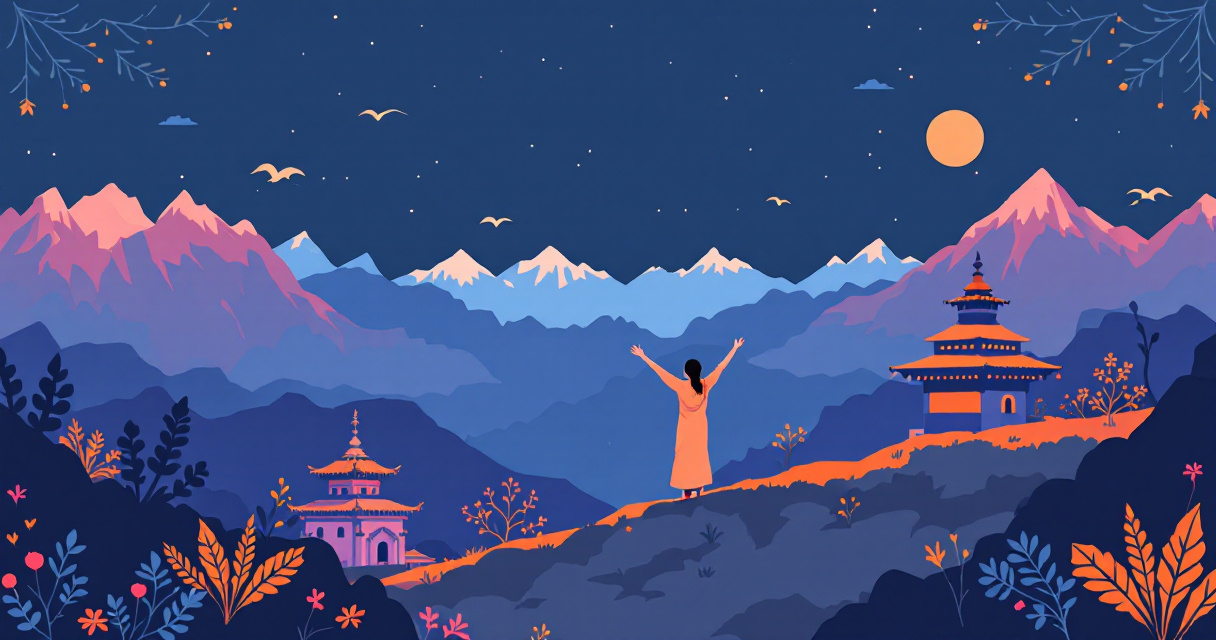
Traditional Nepali attire has a striking visual identity, from the elegant daura suruwal to colorful cultural jewelry. With modern AI image generators, anyone can create a Nepali traditional look AI photo in minutes without hiring a photographer or costume designer. Platforms such as The Looktara Lens make it possible to turn a normal photo or prompt into a culturally inspired portrait suitable for LinkedIn profiles, social media, or creative projects. This guide explains how AI generates these images, what authentic Nepali styles look like, and how you can create realistic traditional portraits in 2026.
Understanding the Visual Elements of Nepali Traditional Attire
A convincing Nepali traditional look AI photo starts with understanding the clothing and cultural details the AI must generate. Nepal has diverse ethnic groups, so traditional outfits vary by region and occasion.
Many AI image generators rely on prompts and visual training data. When you describe attire clearly, the results look far more authentic.
Common Traditional Outfits Used in AI Portraits
AI portraits often recreate widely recognized Nepali clothing styles worn during festivals, ceremonies, and formal events.
Key Nepali Traditional Clothing Elements
| Outfit | Typically Worn By | Visual Characteristics |
|---|---|---|
| Daura Suruwal | Men | Cross‑tied shirt with trousers and a traditional Nepali topi |
| Gunyo Cholo | Women | Traditional blouse and sari-like garment often worn in ceremonies |
| Dhaka Topi | Men | Patterned cap made from Dhaka fabric |
| Haku Patasi | Women | Black sari with red borders popular among Newar communities |
These outfits frequently appear in AI‑generated portraits because they have distinctive shapes, colors, and accessories that models can recognize easily.
Cultural Details That Improve AI Realism
Small cultural elements often determine whether an AI portrait feels authentic.
- Dhaka patterns on clothing or caps
- Traditional jewelry such as tilhari necklaces or nose rings
- Festival makeup and tika worn during celebrations
- Natural Himalayan backgrounds or temple architecture
AI prompts that include cultural context such as "Nepali festival portrait" or "Dashain celebration attire" usually generate more realistic imagery.
How AI Generates Nepali Traditional Look Photos
Modern AI image tools rely on generative models trained on large visual datasets. When you type a prompt like "Nepali woman wearing Gunyo Cholo portrait," the model predicts shapes, colors, and clothing styles based on patterns it learned during training.
Research on AI and language technologies continues to grow quickly. For example, a 2023 review of AI systems for low‑resource languages by Mahmud, Ptaszyński, and Eronen examined how machine learning models adapt to languages and cultures that have limited digital data. Their work highlights why cultural prompts can influence AI outputs when datasets contain fewer regional references. Cyberbullying detection for low-resource languages and dialects: Review of the modern.
AI photo tools generally follow a similar process.
Step‑by‑Step Process Behind AI Portrait Creation
- Prompt input describing clothing, ethnicity, lighting, and environment
- Image generation model predicts visual patterns
- Style refinement adjusts lighting, facial features, and textures
- Final rendering produces a realistic or artistic portrait
Using The Looktara Lens platform can simplify this process because it provides ready‑to‑use templates designed for profile photos and brand images.
Why Prompts Matter More Than the Tool
The same AI generator can produce dramatically different results depending on the prompt.
A strong prompt includes:
- Clothing name
- Cultural context
- Lighting style
- Camera angle
Example prompt:
"Professional portrait of a Nepali man wearing daura suruwal and dhaka topi, natural lighting, Kathmandu street background, ultra realistic photography."
Best AI Prompts for Nepali Traditional Portraits
Prompts determine the style, clothing accuracy, and mood of the final image. Clear prompts often produce better cultural details than vague instructions.
Prompt Examples You Can Copy
- "Nepali woman wearing Gunyo Cholo, traditional jewelry, festival tika, studio portrait lighting"
- "Young Nepali entrepreneur wearing daura suruwal and dhaka topi, professional headshot"
- "Nepali cultural portrait in traditional dress, Himalayan mountains background"
- "Newar woman wearing Haku Patasi sari, temple architecture background"
These prompts work well for social profiles or branding images.
Visual Styles AI Can Apply
Popular AI Portrait Styles
| Style | Best Use | Visual Feel |
|---|---|---|
| Photorealistic portrait | LinkedIn profiles | Looks like a professional photo shoot |
| Cinematic lighting | Creative projects | Dramatic shadows and highlights |
| Studio fashion style | Brand photos | Clean backgrounds and strong lighting |
| Cultural festival scene | Storytelling images | Colorful environment and crowd elements |
Many professionals also combine portrait generation with design tools such as a LinkedIn post AI generator to share the final image directly on social platforms.
Where People Use Nepali Traditional AI Photos Today
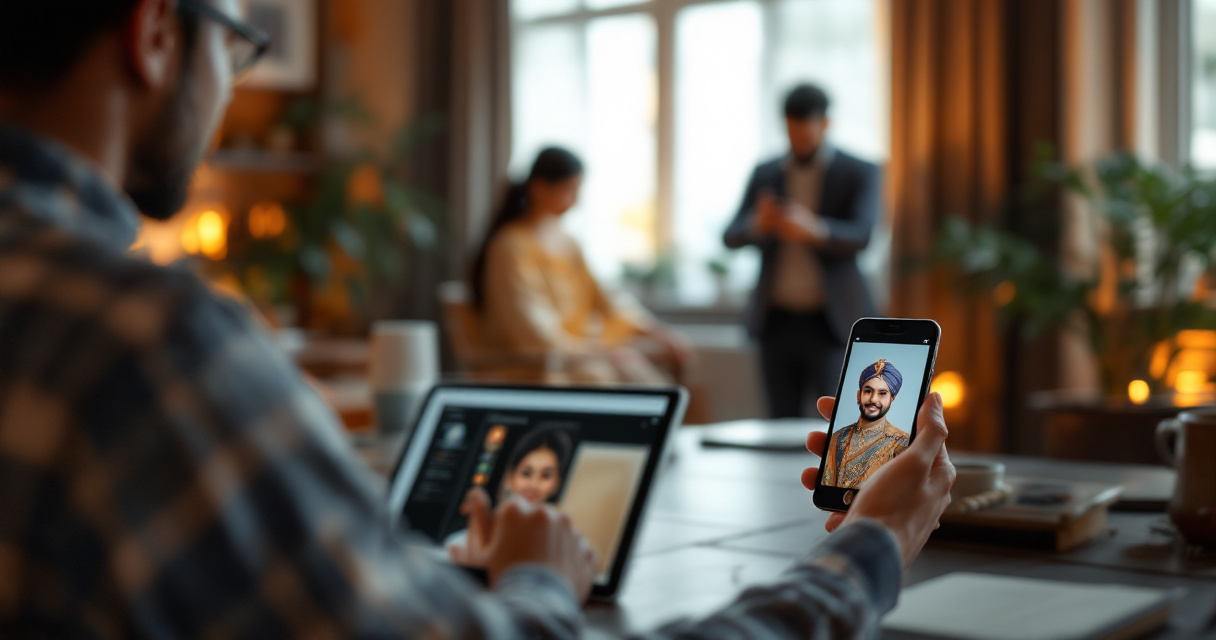
AI portraits inspired by Nepali culture are becoming common across digital platforms. Professionals often prefer them because they combine cultural identity with modern branding.
Professional Profiles and Career Branding
Many job seekers want a profile image that reflects their heritage while still looking polished. AI portraits can replicate studio photography without expensive equipment.
A generated image can work well for:
- LinkedIn profile photos
- Speaker bios
- Portfolio websites
- Startup founder profiles
Tools like the AI resume headshot generator help convert casual photos into professional portraits with cultural attire.
Social Media Content and Personal Branding
Creators also use cultural portraits for storytelling and identity-driven content.
Popular uses include:
- TikTok or Instagram cultural posts
- Festival greetings during Dashain or Tihar
- Profile photos that highlight heritage
Creators often pair portraits with design tools such as a TikTok banner AI generator or a YouTube thumbnail AI generator to build a complete visual brand.
Editing and Enhancing Your AI Portrait for Realism
AI‑generated portraits sometimes need refinement. Small adjustments can make them look far more realistic and culturally accurate.
Quick Enhancements That Improve Image Quality
- Increase image resolution
- Adjust skin tone and lighting
- Add traditional textures like Dhaka fabric
- Include cultural backgrounds such as temples or Himalayan scenery
Small cultural details often matter more than technical perfection when viewers judge authenticity.
Design Tools That Extend Your AI Images
Once your portrait is ready, it can be adapted into marketing visuals.
For example:
- Create a profile banner using a website hero AI generator
- Turn the portrait into quote graphics with a quote post AI generator
These tools allow a single AI portrait to become multiple branded visuals.
What to Expect From AI Cultural Portraits by 2027
AI portrait technology is improving rapidly. Cultural image generation is likely to become more accurate as datasets grow and models learn finer details about regional clothing and traditions.
Future improvements may include:
Upcoming AI Capabilities
- More accurate cultural clothing generation
- Better facial realism and lighting
- Custom pose and background control
- Real‑time avatar creation for video calls
Academic research continues to expand across AI fields. Studies such as Liu, Gan, and Jiang (2024) in JACS Au highlight how machine learning and advanced modeling techniques are evolving in scientific computing, which often drives progress in AI technologies more broadly. Selective Arene Photonitration via Iron-Complex β-Homolysis.
As tools improve, generating culturally accurate portraits will become faster and easier for creators worldwide.
Conclusion
Creating a Nepali traditional look AI photo no longer requires expensive clothing, a studio, or a photographer. With the right prompt and a modern generator, you can produce realistic cultural portraits in minutes. Platforms like The Looktara Lens make the process simple by turning basic photos or text prompts into professional images suitable for LinkedIn, social media, and branding.
Start by choosing the correct traditional attire in your prompt, refine the lighting and background, and then enhance the final image for professional use. If you want a fast way to generate profile‑ready portraits and visual assets, try using The Looktara Lens today and create your own Nepali traditional AI photo in just a few clicks.
Generated by EarlySEO.com