
AI profile photos now compete with studio photography for one simple reason: people need polished images faster than a traditional shoot can usually deliver. In the Looktara vs Try It On AI decision, the smarter choice depends less on hype and more on your use case: LinkedIn credibility, founder branding, creator content, dating profiles, or a flexible image refresh. AI headshot generator: a tool that uses uploaded selfies or reference images to create new profile-ready portraits in different styles, outfits, and settings. For professionals who want studio-grade results without booking a photographer, Looktara is built around that personal AI photographer promise.
What is the real difference between these two AI photo tools?
The real difference is positioning: one tool should be judged as a personal AI photographer for professional and brand imagery, while the other should be evaluated by how well its current offer matches your intended photo style, privacy comfort, and output needs.
Search demand is real but still emerging. The research set for this comparison showed 9,150 total SERP results, while competitor pages averaged 2,647 words, which means buyers are looking for detail, not just a quick feature list.
FAQ: a curated list of questions and answers designed to address parts of a topic that are often unknown, misunderstood, or repeatedly asked.
Key insight: don't compare AI photo tools only by price. Compare them by identity accuracy, usable output rate, brand fit, privacy clarity, and how much editing you need after generation.
Decision factors that matter before features
Most buyers care about the final photo, not the model behind it. A great AI portrait should still look like you, fit the platform where you'll post it, and avoid the over-smoothed look people now associate with obvious AI images.
Use these terms when comparing tools:
- Professional realism: how believable the face, skin, hair, lighting, and posture look.
- Personal-brand range: how many credible moods and settings you can create.
- LinkedIn suitability: how well the image communicates trust, competence, and approachability.
- Creator flexibility: how useful the outputs are for thumbnails, bios, media kits, and social profiles.
- Privacy clarity: how easy it is to understand upload, storage, and deletion practices.
Which tool is better for LinkedIn, creators, founders, and dating profiles?
The better tool is the one that matches the social context of the photo, because a strong LinkedIn headshot and a strong creator profile image are not the same asset.
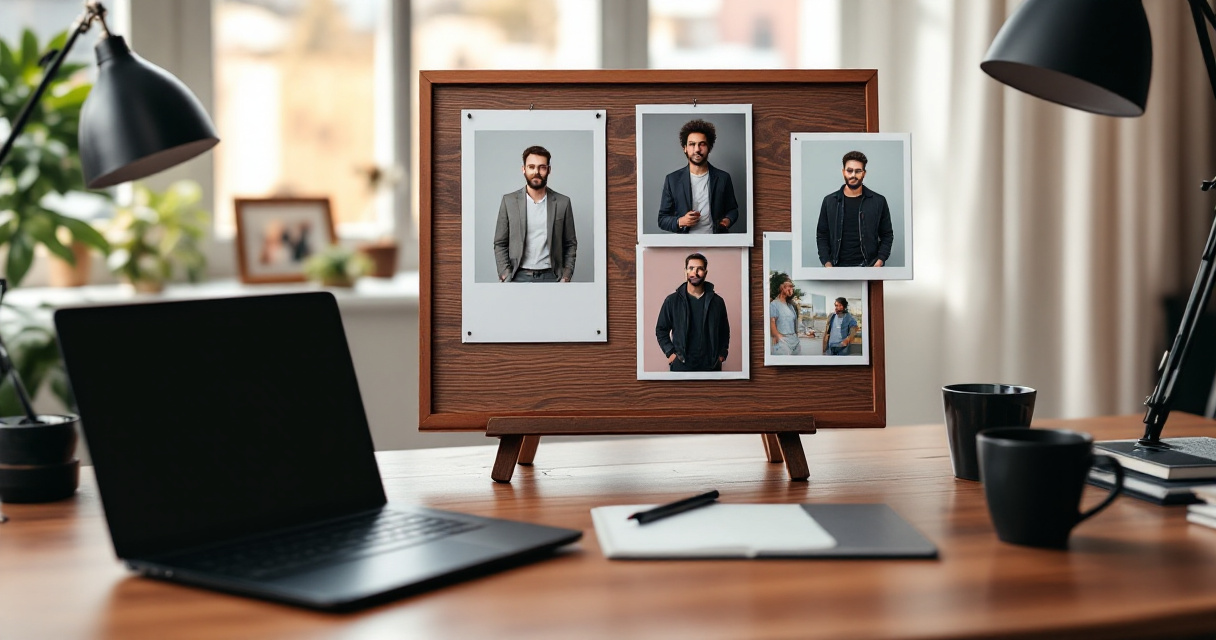
A recruiter, client, subscriber, and dating-app match all read images differently. Your headshot should send the right signal in under a second: reliable for work, distinctive for a brand, warm for networking, and authentic for social discovery.
Side-by-side buyer fit comparison
| Category | Looktara | Try It On AI | What to check before buying |
|---|---|---|---|
| Professional realism | Best framed for people who want polished, studio-style images that still feel personal | Evaluate sample galleries for face consistency, skin texture, and lighting | Look for believable eyes, hands, hairlines, and natural skin |
| LinkedIn headshots | Strong fit for job seekers, founders, consultants, and remote professionals | Can be a fit if the available styles align with workplace use | Check whether outfits and backgrounds feel current, not costume-like |
| Personal-brand styles | Useful for business owners and public-facing professionals who need several polished looks | Compare style range against your niche and tone | Ask whether the outputs support your actual brand, not just a nice photo |
| Creator use cases | Good fit when you need refined profile images for bios, social pages, and media presence | May suit creators if it supports expressive, platform-specific looks | Test whether images work at small avatar sizes |
| Dating profile needs | Best when you want attractive but credible images that still look like you | Compare authenticity and expression variety | Avoid images that feel too corporate or too artificial |
| Ease of use | Best judged by how quickly you can move from upload to usable selections | Best judged by setup steps, guidance, and output review flow | Count how many images you would actually post |
| Privacy confidence | Review the current policy before uploading personal images | Review the current policy before uploading personal images | Confirm storage, deletion, consent, and image-use terms |
Who should pick which option
Pick the first option if your image has to support career trust, founder credibility, consulting sales, or a premium personal brand. It's the safer direction when your photo will sit beside a resume, pitch deck, LinkedIn post, podcast bio, or client proposal.
Pick the second option if its current gallery, workflow, and style categories match the exact look you want. That may be enough if you mainly need experimentation, casual profile refreshes, or a different creative direction.
A simple buying rule helps:
- Choose the tool with examples closest to your real face and setting.
- Check whether the outputs suit your main platform.
- Read the privacy policy before uploading selfies.
- Generate more than one style so you're not locked into a single mood.
- Use human judgment before posting anything public.
How does the Looktara platform handle professional headshots?
The Looktara platform handles professional headshots by focusing on studio-grade profile imagery for people who need credible photos without arranging a traditional shoot.
That matters because the main buyer is usually solving a practical problem. They need a better LinkedIn photo before applying for jobs, a sharper founder image before a launch, or a more confident profile before sending clients to their page.
Best-fit workflow for professional users
A useful AI headshot workflow should feel simple, but the quality comes from clear intent. Before generating images, decide where the photo will live and what it needs to communicate.
Use this sequence:
- Define the platform: LinkedIn, company bio, portfolio, creator profile, or dating app.
- Choose the signal: trustworthy, creative, warm, executive, relaxed, or bold.
- Upload varied references: include different angles, lighting, and expressions if the tool requests them.
- Review for identity match: keep only images that still look recognizably like you.
- Crop for the destination: profile circles, banners, and thumbnails all need different framing.
Best practice: the winning image is not always the most glamorous one. It's the one that makes the right person trust you faster.
Where it stands out for personal branding
Professionals increasingly need more than one headshot. A founder might need a polished investor-facing image, a warmer podcast image, and a casual social profile photo. A freelancer may need different looks for LinkedIn, proposals, and a portfolio page.
With Looktara, the strongest use case is creating a set of images that feel connected rather than random. That helps your profiles look consistent across channels while still giving you room to adapt tone by platform.
For brand recall or a direct visit, head to looktara.com when you're ready to compare the current product experience.
What should buyers check before choosing any AI photo generator?
Buyers should check identity accuracy, output rights, privacy terms, editing needs, and platform fit before choosing any AI photo generator.
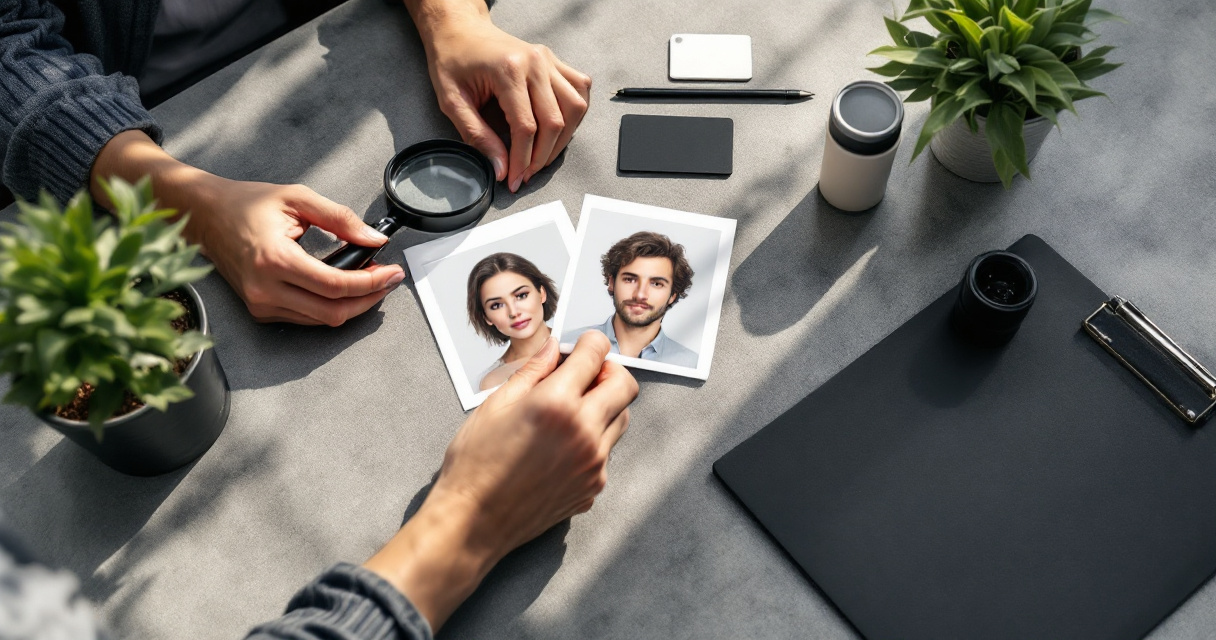
A beautiful image can still be the wrong choice if it doesn't look like you, feels out of place on LinkedIn, or requires heavy retouching before use. The practical test is simple: would someone who knows you recognize you immediately?
Common evaluation mistakes to avoid
AI photo tools can produce impressive samples, but sample galleries don't guarantee your own results. Your input photos, lighting variation, facial angles, and expectations all affect the final set.
Avoid these mistakes:
- Choosing only the cheapest option without checking realism.
- Uploading low-quality selfies and expecting studio-level consistency.
- Picking a style that clashes with your industry or audience.
- Using an image where your face, smile, or hairline feels slightly off.
- Ignoring privacy terms because the tool looks easy.
- Posting the first strong image without testing it as a small profile thumbnail.
Neutral comparison is better than brand loyalty here. Create a short list, inspect current examples, and judge the actual outputs against your use case.
Privacy and trust checklist
| Question | Why it matters | What a good answer looks like |
|---|---|---|
| What happens to uploaded images? | Your face is sensitive personal data | Clear storage and processing language |
| Can you delete uploads or outputs? | You may not want old images retained | A visible deletion or account-control process |
| Are images used for training? | Consent matters for personal likeness | Plain wording on model training and user content |
| Who owns the outputs? | You need rights for work and public profiles | Clear commercial or personal-use terms |
| Is support reachable? | Problems may involve identity or billing | Contact options and practical help paths |
Frequently asked questions
These FAQs answer the practical questions people ask before paying for an AI headshot or profile photo tool.
Is an AI headshot acceptable for LinkedIn in 2026?
Yes, an AI headshot is acceptable for LinkedIn in 2026 if it looks realistic, professional, and recognizably like you. The image should match your industry, avoid exaggerated retouching, and work well as a small circular profile photo. If it looks synthetic at first glance, choose a more natural result.
How many AI photos do I need before choosing one?
You usually need several variations because the best image depends on expression, crop, clothing, and background. Don't judge only by full-size previews. Test the final candidates as thumbnails, ask a trusted peer which one feels most like you, and keep backups for different platforms.
Can creators use AI headshots for more than profile photos?
Yes, creators can use AI headshots for profile images, media kits, newsletter bios, podcast pages, guest posts, and social banners when the usage rights allow it. The best creator images are not always formal. They should match the creator's niche, audience expectations, and content tone.
What makes an AI portrait look obviously fake?
An AI portrait often looks fake when skin is too smooth, eyes are glassy, teeth look unnatural, hair blends into the background, or clothing folds don't make sense. Overly dramatic lighting can also feel artificial. Natural expression and believable imperfections usually create stronger trust.
Conclusion
The best choice in Looktara vs Try It On AI comes down to the job your photo has to do. If your priority is professional trust, consistent personal branding, and profile images that support career or business goals, start with the option built around that use case. If your priority is experimentation, compare current examples and workflow details before uploading.
Your next step is simple: choose one platform goal, gather your best reference photos, review privacy terms, and generate a small set you can test across LinkedIn, your website, or social profiles. For a direct product check, visit looktara.com and compare the current experience against the criteria above.
Generated by EarlySEO.com