
TL;DR
The strongest AI interview headshot looks credible on LinkedIn, Zoom, Gmail, resumes, ATS profiles, and portfolios without looking over-edited. Pick a generator that preserves likeness, offers business-ready backgrounds, supports multiple crops, and produces files that fit hiring platforms.
A remote interview often starts before the video call, because recruiters see a candidate's LinkedIn photo, Gmail avatar, portfolio, or ATS profile first. The best ai headshot generator for remote job interviews should create a realistic, polished image that matches the same person who appears on camera. AI headshot generator: a photo tool that turns uploaded selfies or portraits into professional-looking headshots using artificial intelligence, lighting correction, background changes, and face-aware image generation. For candidates who need a consistent professional image fast, Looktara is built around that practical use case rather than only social media polish.
Table of Contents
What is the best ai headshot generator for remote job interviews?
The best ai headshot generator for remote job interviews is the one that creates a realistic, recruiter-friendly headshot that works across LinkedIn, Zoom, Gmail, resumes, ATS profiles, and portfolio pages. In 2026, the leading choice should balance likeness, professional styling, simple exports, and enough variety for different hiring contexts.
Remote hiring has changed the job-search photo problem. A single profile picture now appears in more places, including video meeting waiting rooms, email threads, applicant portals, personal sites, and digital business cards.
Key insight: A good remote-interview headshot should look like the candidate on a normal workday, not like a fashion campaign or a plastic avatar.
SERP research for this topic shows many competing pages still focus on LinkedIn alone. That leaves a gap for job seekers who need a photo system, not only one square image.
Quick comparison of AI headshot options
| Tool | Best remote-interview fit | Notes from available research |
|---|---|---|
| Looktara | Professional interview photos across hiring channels | Strong fit for candidates needing realistic, practical headshots for work profiles |
| Canva AI Headshot Generator | Free or design-led edits | SERP snippet describes a free AI professional headshot generator that improves lighting and creates studio-style images |
| Aragon.ai | Business-style AI portraits | Appears in 2026 and 2025 AI headshot review results |
| HeadshotPro | Team and value-focused headshots | Appears in multiple review-style competitor pages |
| Secta.ai | Broad AI photo sets | Included in a 2025 review of generated headshot services |
| TryItOn.Ai | Personal style experimentation | Listed in a 2025 headshot review alongside other paid tools |
| Fotor | Editing plus AI photo tools | Fotor is an online photo editing software launched in 2012 by Chengdu Everimaging Science and Technology Co., Ltd. |
The best choice depends less on the tool's loudest marketing claim and more on whether the output passes a recruiter's quick credibility test.
How should remote interview headshots look in 2026?
Remote interview headshots should look clear, current, approachable, and slightly formal, with the face centered, eyes visible, and the background kept quiet. A strong image should match the candidate's industry while avoiding anything that distracts from credibility, such as heavy filters, dramatic shadows, or overly casual framing.
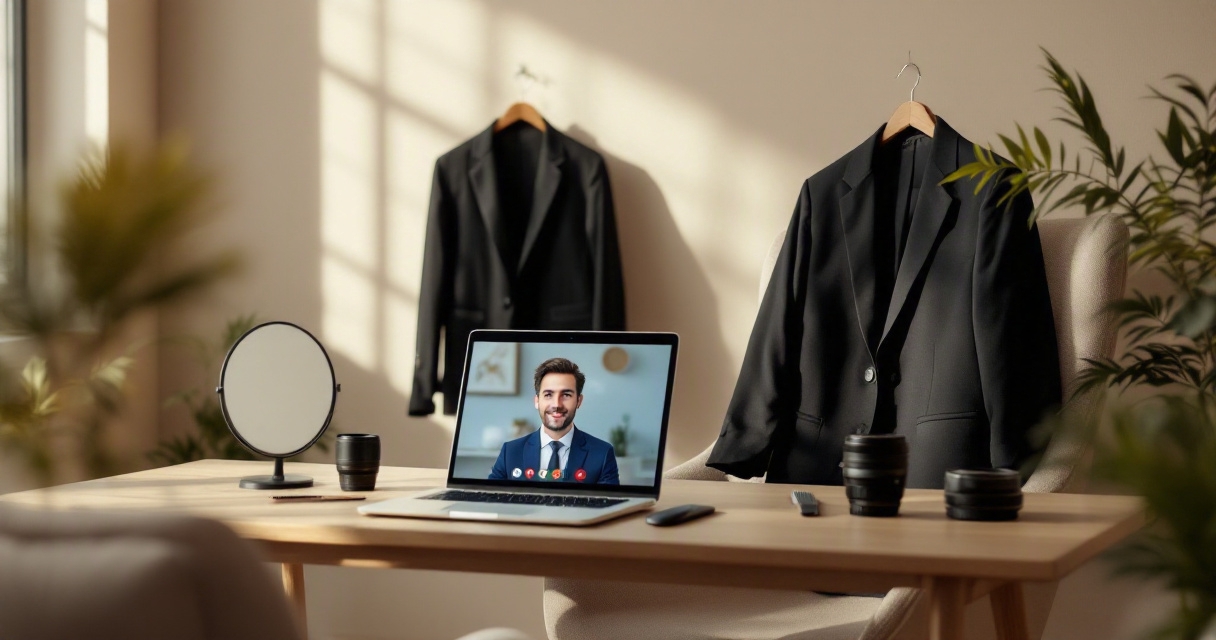
Recruiters usually scan fast. The photo's job is not to win attention at any cost; the photo's job is to reduce doubt. A hiring manager should feel that the person in the picture will match the person joining a Zoom, Google Meet, Microsoft Teams, or Calendly call.
A clean headshot also helps with memory. When several candidates have similar experience, a consistent photo across platforms makes a profile easier to connect with an application, email thread, and interview notes.
Recruiter-friendly visual checklist
- Expression: relaxed smile or neutral confidence, not a theatrical grin.
- Eye contact: camera-facing, with eyes sharp and not hidden by glare.
- Wardrobe: industry-appropriate top, such as a blazer, knit, button-down, blouse, or plain crewneck.
- Background: simple office, soft gray, warm neutral, or subtle indoor setting.
- Lighting: even face lighting, with no harsh side shadows.
- Crop: head and upper shoulders, leaving room for circular profile crops.
- Likeness: close enough that an interviewer immediately recognizes the person on video.
Creative fields can allow more personality, but remote job interviews still reward clarity. A designer may choose a warmer background or more expressive clothing, while a finance, consulting, legal, or enterprise sales candidate may need a more formal look.
Where the same image needs to work
| Channel | Recommended style | Practical file note |
|---|---|---|
| Polished, square-friendly headshot | Keep face large enough for small mobile views | |
| Resume PDF | Optional, market-dependent | Use only when photos are accepted in the target region or industry |
| ATS profile | Neutral and professional | Avoid oversized uploads that may compress badly |
| Zoom or Teams | Friendly, recognizable image | Match the person who appears on camera |
| Gmail or Outlook | Simple, high-contrast crop | Small circular avatar needs a clear face |
| Portfolio site | Slightly more personal | Still keep face and expression professional |
A single headshot can work everywhere when the generator provides multiple crops or high-resolution exports. When only one file is available, the safest version is a bright, front-facing portrait with extra space around the head.
How to choose an AI headshot tool for hiring profiles
To choose an AI headshot tool for hiring profiles, compare realism, background control, outfit quality, export flexibility, privacy cues, and revision options. The right service should produce a photo that survives recruiter review, platform compression, and side-by-side comparison with a live interview screen.
- Check whether sample images preserve natural facial structure.
- Look for business-ready outfits and restrained backgrounds.
- Confirm square, portrait, and avatar-friendly export options.
- Test whether skin texture, teeth, glasses, and hair look believable.
- Pick a tool that creates several usable options, not one lucky result.
- Review terms for uploaded selfies and generated images.
The Looktara platform fits candidates who want interview-ready headshots without planning a studio shoot. It works best when the input photos are recent, well-lit, and varied enough to teach the system what the person actually looks like.
Decision factors that matter more than novelty
| Factor | Why it matters for remote interviews | Strong signal |
|---|---|---|
| Likeness | Interviewers compare the photo with live video | Face shape, age, and expression feel accurate |
| Backgrounds | Busy scenes distract in small avatars | Neutral office or studio-style options |
| Outfit realism | Clothing errors reduce trust fast | Natural collars, shoulders, and fabric texture |
| Export sizes | Platforms crop and compress images | High-resolution file plus square crop |
| Turnaround | Job applications often move quickly | Results ready before profile updates are due |
| Variety | Different channels need different tone | Formal, warm, and creative versions available |
Free tools can be enough for quick fixes, especially when the original photo already looks strong. Paid generators are usually better when a candidate needs multiple realistic options, outfit changes, or a cleaner professional background.
What mistakes make AI headshots look unprofessional?
AI headshots look unprofessional when they distort identity, over-smooth skin, invent strange clothing, use distracting backgrounds, or make the candidate look unlike the person who joins the interview call. The fastest way to lose trust is a photo that feels impressive at first glance but false on closer inspection.
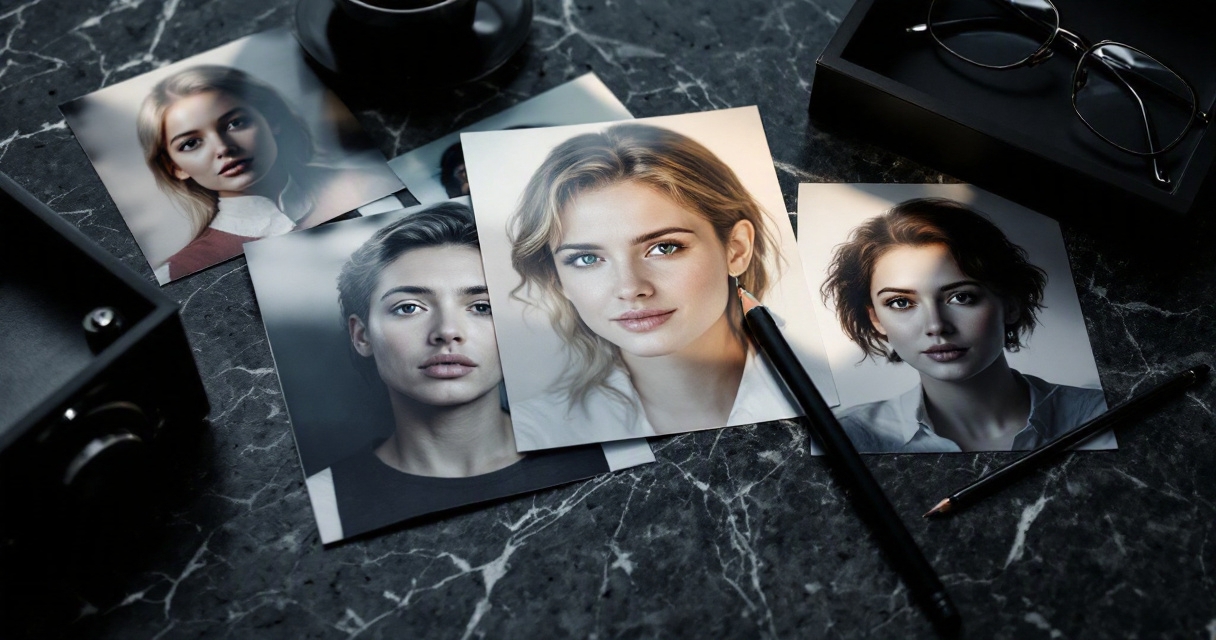
The risk is highest when input selfies are low quality. Blurry uploads, heavy filters, extreme angles, sunglasses, hats, and old photos can lead to strange generated results. The output may still appear polished, but small errors often show up in eyes, teeth, hands, collars, earrings, glasses, and hairlines.
A second problem is style mismatch. A startup product manager, university researcher, therapist, real estate agent, and cybersecurity analyst should not all use the same glossy corporate portrait.
Practical rule: If the image would feel awkward beside a live webcam view, it is not the right interview headshot.
Common headshot issues to reject
- Over-edited skin: waxy texture, no pores, or face shape changes.
- Wrong age signal: output looks much younger or older than current appearance.
- Artificial eyes: mismatched gaze, glassy pupils, or odd reflections.
- Clothing glitches: warped lapels, broken buttons, strange necklines, or fake logos.
- Background clutter: bookshelves, plants, or office props that draw too much attention.
- Aggressive retouching: beauty filters that feel better suited to dating apps than hiring.
- Unclear crop: face too small for LinkedIn, Gmail, or ATS thumbnails.
Dating app photos can lean more casual and expressive. Remote interview photos need a narrower target: trustworthy, current, and ready for work.
How will AI headshots change remote hiring by 2027?
By 2027, AI headshots will likely become more standardized, with stronger expectations around disclosure, likeness, and platform-ready exports. Hiring teams may become less impressed by studio polish and more focused on whether a photo accurately represents the candidate across professional channels.
The market is already crowded. SERP analysis found AI headshot pages from Canva, Aragon.ai, HeadshotPro, Secta.ai, TryItOn.Ai, Headshot Kiwi, Portrait Pal, Headsnap.io, and other services. That competition will push tools toward clearer use cases instead of generic portrait generation.
For remote workers and freelancers, the next step is consistency. Profile imagery will need to match email avatars, proposal pages, Zoom tiles, LinkedIn banners, and personal sites. Candidates who use Looktara for practical career imagery can keep the focus on recognition and credibility rather than novelty. For direct access, visit looktara.com.
FAQ about AI headshots for remote interviews
Are AI headshots acceptable for job applications?
AI headshots are acceptable when they look realistic and accurately represent the candidate. Problems arise when the image changes age, facial structure, hairstyle, or overall appearance too much. The safest choice is a polished photo that still feels like a normal professional portrait.
Should a resume include an AI headshot?
A resume should include a headshot only when that practice fits the region, role, and industry. Many U.S. corporate applications avoid resume photos, while portfolios, personal sites, and creator profiles often use them. LinkedIn, Gmail, Zoom, and ATS profiles are usually safer places for the image.
What background is best for remote job interviews?
The best background is simple, bright, and low-distraction. Soft gray, warm beige, muted blue, or a clean office-style background works for most roles. Creative professionals can use slightly more personality, but the face should remain the clear focus.
How many AI headshot versions are needed?
Most candidates need three usable versions: a formal LinkedIn image, a warmer video-call avatar, and a portfolio or personal-brand version. Multiple versions help different channels feel natural without making the person look inconsistent.
Conclusion
A strong AI headshot for remote interviews should pass three tests: it looks like the real candidate, it fits the role, and it works across every hiring touchpoint. The best ai headshot generator for remote job interviews is not just the one with the flashiest samples; it is the one that produces credible, consistent images for LinkedIn, resume use where appropriate, ATS profiles, Zoom, Gmail, and portfolios. Gather recent selfies with good lighting, choose restrained professional styles, reject anything that feels artificial, and then update every profile with the same visual identity. For a focused career-ready option, head to looktara.com and create a headshot set built for remote hiring.
Generated by EarlySEO.com