
A professional headshot can change how people perceive you online within seconds. Lighting is the single factor that shapes how your face appears in a photo, and that truth still applies even when AI generates or enhances the image. Modern headshot tools analyze light direction, contrast, and color temperature to produce realistic portraits. Platforms like The Looktara Lens use AI models trained on massive image datasets to recreate those lighting conditions digitally, giving users studio-style portraits or soft natural-light looks without hiring a photographer. Choosing between natural light and studio lighting still matters though, because each produces a different mood, level of control, and professional impression.
Why Lighting Still Determines AI Headshot Quality
Lighting affects how facial features appear, how shadows form, and how natural skin tones look. Even when an image is processed by AI, the source lighting or simulated lighting pattern determines realism.
AI image systems analyze visual context such as brightness gradients, reflections, and depth cues. Research on multimodal models like those discussed in the 2024 paper Gemini 1.5: Unlocking multimodal understanding across millions of tokens of context highlights how modern AI can interpret complex visual data including lighting and spatial relationships (arXiv paper). That capability allows AI tools to replicate lighting setups that photographers normally create manually.
When creating headshots, lighting influences three key factors:
- Facial structure visibility: directional light shapes cheekbones, jawlines, and eye sockets
- Skin tone accuracy: color temperature determines whether skin looks warm, cool, or washed out
- Professional tone: soft lighting feels approachable, while dramatic lighting feels editorial
Even the most advanced AI headshot generator still relies on lighting patterns to create believable results.
AI platforms increasingly simulate real photography techniques. For example, creators often pair headshots with other brand visuals such as social graphics or thumbnails. Tools like a YouTube thumbnail AI generator use similar lighting analysis to keep faces clear and expressive at small sizes.
Subtle lighting changes can make the same person appear friendly, authoritative, casual, or corporate. That is why understanding natural light versus studio light matters before generating an AI headshot.
Natural Light AI Headshots: Soft, Authentic, and Approachable
Natural light headshots mimic sunlight coming from windows or outdoor environments. This lighting style produces a soft gradient across the face, often with gentle shadows and warmer tones.
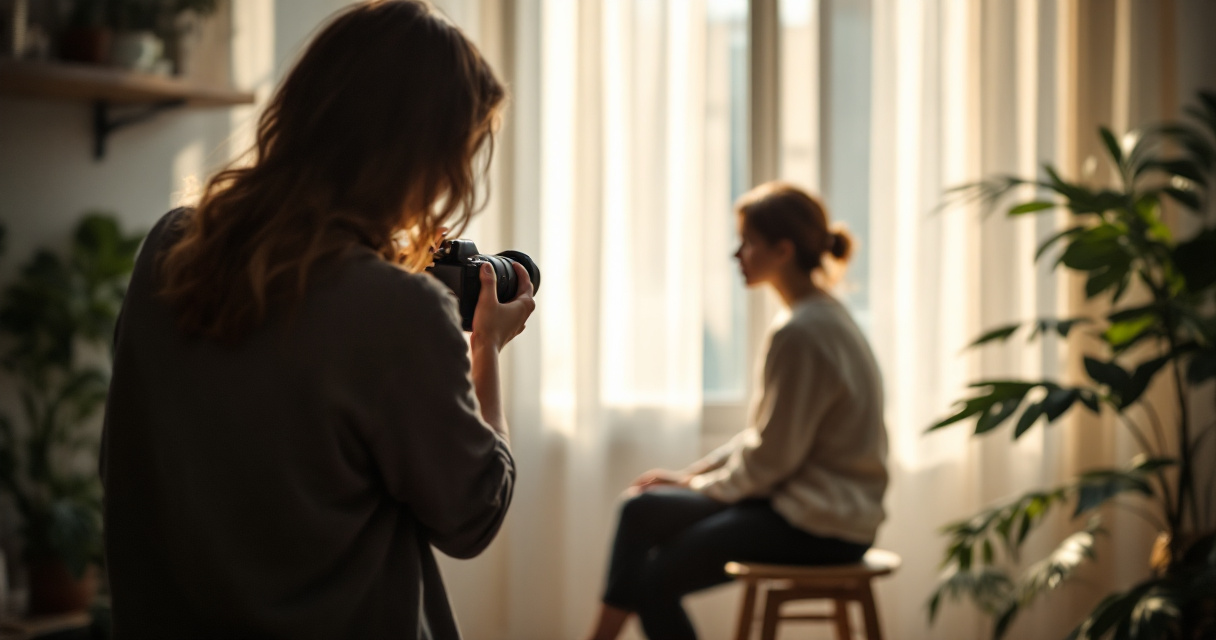
For AI-generated portraits, natural lighting usually means the model recreates conditions similar to window light, cloudy daylight, or golden-hour sun. These styles tend to look relaxed and realistic.
Advantages of Natural Light for AI Portraits
Natural light tends to produce headshots that feel less staged. This makes it popular for personal branding and social profiles.
Key strengths include:
- Soft shadows that smooth skin texture
- More natural skin tones with fewer harsh highlights
- Approachable appearance for social platforms and networking
- Less intimidating feel for personal branding
Many professionals prefer natural-light styles for LinkedIn or creator profiles because the image feels genuine instead of overly polished.
Challenges When Using Natural Light
Natural light is beautiful but unpredictable. In traditional photography, cloud cover, window direction, and time of day all change the look of the shot. AI can simulate consistency, but the style still carries those characteristics.
Common limitations include:
- Lighting direction may be less defined
- Faces may look flatter without strong shadow shaping
- Background brightness can vary
Natural Light Headshots Work Best For
- LinkedIn profiles
- Personal websites
- Dating apps
- Creator profiles
- Freelancers and remote workers
Creators often combine these portraits with personal brand visuals such as a Pinterest pin AI generator for marketing graphics, creating consistent soft-light branding across platforms.
Overall, natural-light AI headshots emphasize authenticity. They make you look like yourself on your best day rather than someone under studio lights.
Studio Lighting AI Headshots: Precision and Professional Control
Studio lighting creates the classic corporate headshot look. Photographers use controlled light sources such as softboxes, beauty dishes, and reflectors to sculpt the face.
AI headshot generators replicate these lighting setups digitally. Instead of relying on sunlight, the model simulates precise lighting angles that highlight facial structure and reduce unwanted shadows.
Why Studio Lighting Looks More Professional
Studio lighting allows total control over brightness, contrast, and shadow placement. That consistency is why it dominates corporate photography.
Benefits include:
- Clear facial definition from directional lighting
- Consistent results across many photos
- Controlled background brightness
- Sharper contrast that emphasizes facial structure
Many companies prefer studio-style headshots for team pages and corporate branding because every employee portrait looks consistent.
Studio Lighting Compared to Natural Light
Key Differences at a Glance
| Feature | Natural Light Headshots | Studio Lighting Headshots |
|---|---|---|
| Lighting control | Low | High |
| Skin appearance | Soft and organic | Sharper and defined |
| Consistency | Variable | Highly consistent |
| Mood | Friendly and casual | Professional and polished |
| Best for | Social profiles | Corporate branding |
Studio lighting wins when consistency and structure matter more than spontaneity.
Entrepreneurs preparing presentations or investor materials often choose studio-style portraits. Those images fit well alongside polished visual assets like a pitch deck slide AI generator, where clarity and authority matter.
Still, some people find studio lighting slightly intimidating. The sharper contrast can emphasize skin texture and feel less relaxed than natural light portraits.
How AI Recreates Natural and Studio Lighting Styles
Modern AI headshot tools do more than apply filters. They reconstruct entire lighting environments by analyzing patterns from large datasets of professional photos.
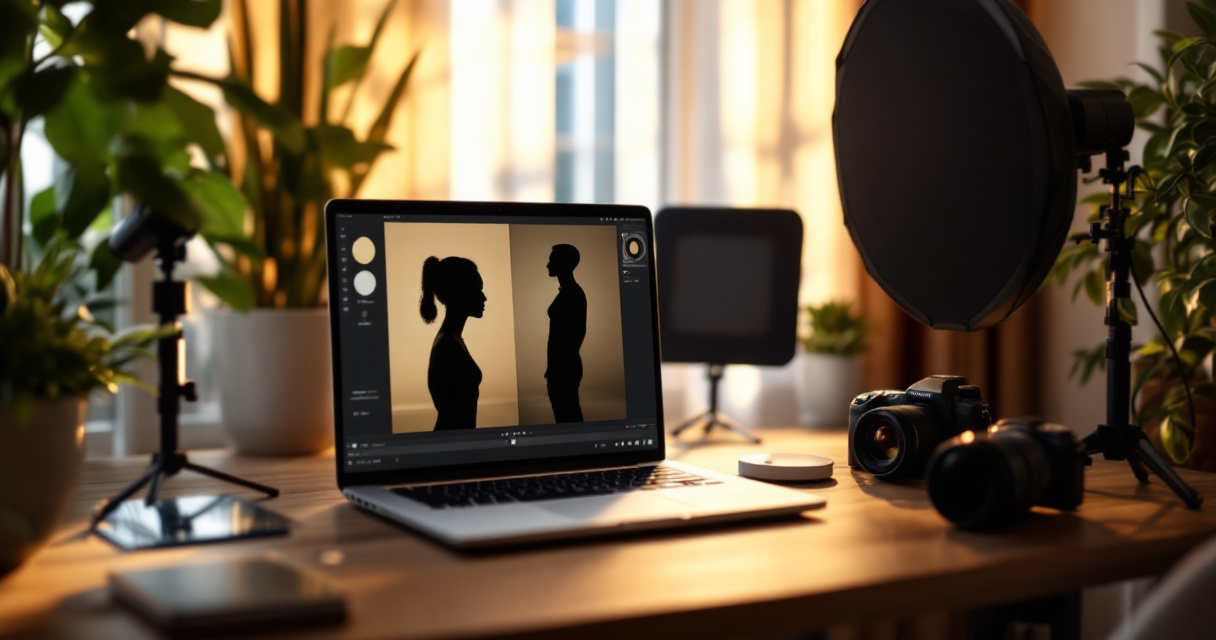
Generative AI models trained on image data learn how light interacts with faces, hair, clothing, and backgrounds. According to the research behind multimodal systems like Gemini 1.5, models can process complex visual relationships including illumination and object positioning (research paper).
This allows AI platforms to simulate different lighting setups with surprising realism.
How AI Generates Natural Light Effects
When generating natural light portraits, AI often replicates characteristics such as:
- Window-side lighting with gradual shadows
- Warm color temperature similar to daylight
- Slight background brightness gradients
- Catchlights in the eyes from large light sources
The result resembles lifestyle photography instead of formal portrait lighting.
How AI Simulates Studio Setups
Studio-style AI headshots mimic professional equipment setups. Common simulated techniques include:
- Key light positioning to define facial shape
- Fill light balancing to soften shadows
- Background separation lighting for depth
- Hair lights that highlight edges of the subject
These techniques create the crisp professional look most people associate with corporate portraits.
AI tools also integrate these headshots into broader branding visuals. For instance, a creator might generate a headshot and then use it in assets like a podcast cover AI generator or a resume headshot generator for professional profiles.
Platforms such as The Looktara Lens make these lighting choices simple. Instead of setting up lights manually, users select a style and the AI renders the portrait with realistic lighting.
Choosing the Right Lighting Style for Your Profile in 2026
The best AI headshot lighting depends on where the image will appear. Different platforms reward different visual tones.
Quick Decision Guide
| Use Case | Recommended Lighting |
|---|---|
| LinkedIn profile | Natural or soft studio |
| Corporate team page | Studio lighting |
| Personal brand website | Natural light |
| Dating profile | Natural light |
| Investor presentations | Studio lighting |
Natural lighting works well when you want warmth and approachability. Studio lighting works best when professionalism and visual clarity matter most.
Simple Tips for Better AI Headshots
- Choose natural light styles for authenticity
- Use studio lighting styles for authority and clarity
- Avoid overly dramatic lighting that hides facial features
- Match lighting style with the platform where the image appears
What AI Headshot Lighting Will Look Like in 2027
AI headshot technology continues improving rapidly. Expect several changes in the next year:
- More accurate skin tone rendering
- Dynamic lighting adjustment after generation
- Personalized lighting styles based on facial geometry
- Real-time portrait generation from smartphone photos
Tools like The Looktara Lens are moving toward this direction by allowing users to generate professional portraits without complicated equipment or expensive studio sessions.
The future of headshots will likely combine real photos with AI lighting enhancements instead of relying entirely on one method.
That hybrid approach gives users the authenticity of natural images with the polish of studio photography.
Conclusion
Natural light and studio lighting each produce a distinct style of AI headshot. Natural light delivers warmth and authenticity, making it ideal for personal profiles and social platforms. Studio lighting offers precision and consistency, which works better for corporate branding and formal presentations.
The advantage in 2026 is flexibility. AI tools allow you to generate both styles without renting a studio or waiting for perfect sunlight. With platforms like The Looktara Lens, you can experiment with different lighting setups and create multiple professional portraits tailored for LinkedIn, websites, presentations, and social media.
If you are updating your online presence, try generating two versions of your headshot: one natural-light portrait for approachability and one studio-lit version for formal contexts. The difference is subtle but powerful, and the right lighting can instantly elevate how others perceive your profile.
Generated by EarlySEO.com