
Recruiters often form an opinion about a candidate in seconds, sometimes before a single interview question is asked. Your profile photo on LinkedIn, a resume, or a portfolio page quietly signals professionalism, confidence, and credibility. As AI image tools become more advanced, many professionals now use AI-generated headshots to shape that first impression. Platforms such as The Looktara Lens make it possible to produce polished professional portraits without a studio session, which raises an interesting question: can an AI headshot actually improve your chances of interview success? The answer lies in psychology. Research on perception, visual cues, and hiring bias shows that the right photo can influence how competent and trustworthy you appear long before the interview begins.
Why First-Impression Psychology Matters Before the Interview Even Starts
A job interview is a structured conversation between a candidate and an employer used to evaluate whether the applicant should be hired, according to the overview in Wikipedia's job interview entry. Yet the evaluation process often starts earlier. Hiring managers frequently encounter a candidate's profile photo before reading the full resume or scheduling a call.
Psychologists describe this rapid judgment process as thin-slicing. People quickly assess competence, friendliness, and professionalism from minimal information. A headshot therefore acts as a visual shorthand for your personal brand.
Common Psychological Signals in Professional Photos
- Facial expression communicates openness or confidence
- Lighting and clarity suggest professionalism
- Clothing cues signal industry alignment
- Eye contact can influence perceived trustworthiness
- Background simplicity reduces cognitive distraction
When candidates update their LinkedIn profile or digital resume with a strong portrait, they reduce ambiguity about who they are. AI-generated images can help produce these visual signals quickly and consistently.
First impressions in professional settings often form within seconds, and visual cues like profile photos strongly influence early perceptions of competence and trust.
Many professionals now pair an optimized profile photo with other visual assets such as social posts or branding materials created using tools like a LinkedIn post AI generator. Together, these visuals reinforce a consistent professional identity across platforms.
How Profile Photos Influence Recruiter Attention
Recruiters often skim hundreds of profiles. A clean, professional image helps your profile stand out in search results or applicant tracking systems that show thumbnails.
A widely cited survey referenced in coverage of AI-generated headshots reported that 76.5% of recruiters preferred AI headshots in a blind comparison test, where they judged images without knowing which were AI-generated. This suggests that improved visual quality alone can shift perception when candidates are evaluated quickly.
The Halo Effect: How Attractive Professional Photos Shape Perceived Competence
The halo effect is one of the most studied psychological biases in hiring. When someone appears polished or confident, observers often assume they possess other positive qualities such as intelligence or leadership ability.

In job applications, your headshot can trigger this effect instantly. A sharp, well-lit portrait can make recruiters unconsciously expect strong communication skills or reliability.
Visual Traits That Trigger the Halo Effect
| Visual Trait | Psychological Signal | Hiring Impact |
|---|---|---|
| Neutral professional background | Organization and focus | Profile appears more credible |
| Natural smile | Approachability | Recruiters imagine smoother collaboration |
| Clear eye contact | Confidence | Suggests leadership potential |
| Balanced lighting | Professionalism | Indicates attention to detail |
AI-generated headshots attempt to optimize many of these traits automatically. Instead of relying on a quick phone selfie, candidates can generate portraits that align with common professional cues.
Research exploring digital avatars also hints at why appearance matters psychologically. A 2023 study on avatar facial appearance and user perception found that facial characteristics strongly influenced how people perceive presence and identity in virtual environments. The study suggests that visual representation shapes how others interpret personality and capability in digital contexts. Source: Influence of Avatar Facial Appearance on Users' Perceived Embodiment and Presence in Immersive Virtual Reality.
Where AI Headshots Work Best
AI portraits tend to perform well in situations where appearance matters but authenticity still needs to feel natural:
- LinkedIn profile images
- Online resumes
- Personal websites
- Speaker bios and conference pages
For example, entrepreneurs often combine an AI headshot with other visual assets like a startup pitch presentation created using a pitch deck slide AI generator. Consistent visuals strengthen the impression of professionalism across materials.
Confidence Feedback Loops: Why Better Photos Change How Candidates Perform
An overlooked factor in interview success is self-perception. The way you see yourself online influences how confidently you communicate in real conversations.
When professionals update their headshot with a strong image, they often feel more prepared to represent themselves publicly. That shift can translate into stronger interview performance.
The Confidence–Competence Loop
- A professional photo improves self-perception.
- Increased confidence changes body language and tone.
- Interviewers interpret that confidence as competence.
- Positive feedback reinforces the candidate's performance.
This loop is partly psychological and partly social. Humans naturally respond to visual cues of confidence.
Where AI Tools Fit Into This Process
AI systems are improving quickly in visual understanding and generation. Research on modern AI models highlights how multimodal systems process text and images together to interpret context more accurately. For example, the 2024 paper Gemini 1.5: Unlocking multimodal understanding across millions of tokens of context describes how advanced AI models handle complex visual information alongside text inputs. Source: Gemini 1.5 research paper.
These improvements allow image generation tools to produce portraits that look natural, consistent, and suitable for professional settings.
When candidates feel confident about how they appear online, they often project stronger communication and leadership signals during interviews.
Many job seekers create their portraits using tools like the The Looktara Lens platform, which focuses on generating professional-quality visuals quickly. This reduces the friction of booking a photographer or organizing a formal photoshoot.
The Authenticity Debate: Are AI Headshots Risky for Job Seekers?
Despite their advantages, AI-generated headshots raise an important concern: authenticity. Recruiters want profile photos that represent the real candidate, not an unrealistic version.
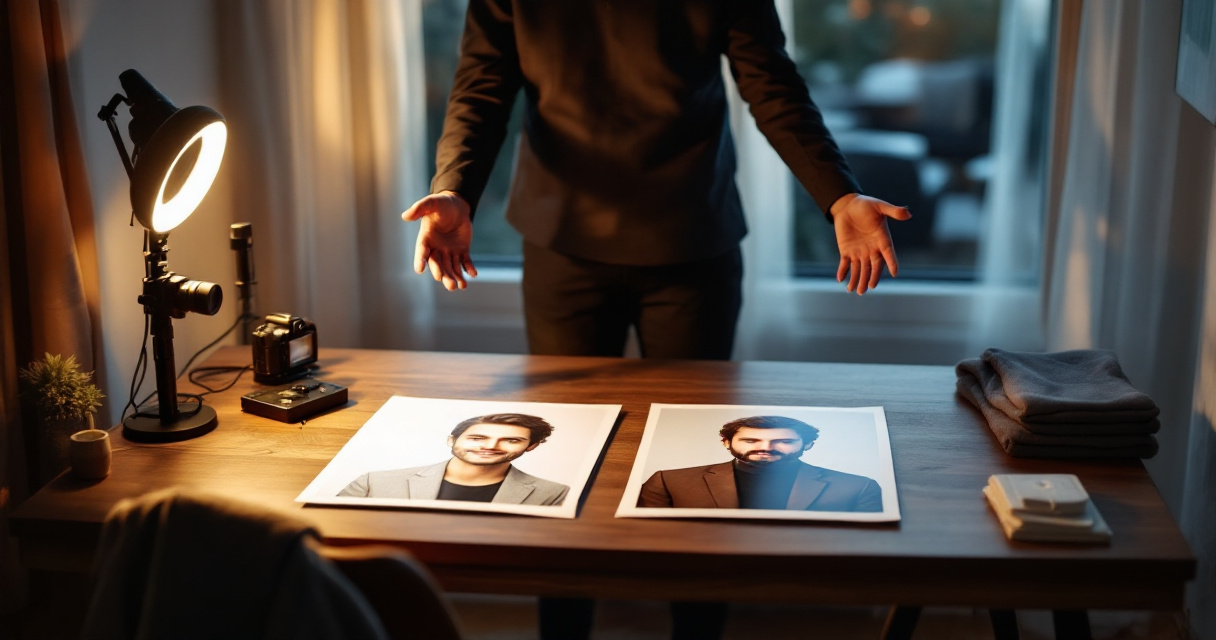
When an AI image changes facial features too much, it can create a mismatch between the online profile and the actual person during a video interview.
Signs an AI Headshot May Hurt Credibility
- Skin texture looks overly smooth
- Lighting appears unrealistic
- Facial proportions subtly change
- Clothing styles look inconsistent with your industry
Practical Guidelines for Ethical AI Headshots
- Use AI to improve lighting and background, not alter identity
- Keep hairstyles and clothing realistic
- Avoid dramatic beauty filters
- Match the image with your real professional style
A helpful approach is generating images that resemble studio photography rather than stylized avatars. For instance, candidates updating their resume can create a balanced portrait using an AI tool like the resume headshot generator, which focuses on natural professional presentation.
Comparing Traditional vs AI Headshots
| Factor | Traditional Studio Photo | AI-Generated Headshot |
|---|---|---|
| Cost | Often expensive | Usually lower cost |
| Convenience | Requires scheduling | Generated in minutes |
| Consistency | Depends on photographer | Can generate multiple styles |
| Risk of over-editing | Low | Moderate if poorly configured |
Used carefully, AI headshots can maintain authenticity while improving visual quality. The key is realism rather than perfection.
What Recruiters Are Likely to Expect from Professional Photos by 2027
Professional identity is becoming more visual across hiring platforms. Recruiters now evaluate candidates not only through resumes but also through LinkedIn profiles, digital portfolios, and personal brand assets.
This shift means professional imagery will matter even more in the next few years.
Emerging Trends in AI-Powered Personal Branding
- AI-generated headshots replacing casual selfies on professional platforms
- Integrated profile visuals across resumes, social media, and portfolios
- Visual consistency between headshots, company branding, and presentations
- AI tools that generate multiple professional looks for different industries
Creators and entrepreneurs are already expanding their visual branding with AI tools for graphics and marketing materials. For example, many professionals design content for visual platforms using a Pinterest pin AI generator or create brand assets with an AI-powered logo generator for Shopify stores.
Skills Recruiters Will Notice More Often
The next hiring wave will likely focus on how candidates present themselves digitally.
Key signals recruiters may prioritize include:
- Consistent professional imagery across platforms
- Personal brand clarity in profiles and portfolios
- Comfort using digital tools and AI
- Authentic but polished presentation
Candidates who understand visual psychology already have an advantage. Their profiles communicate credibility before the interview even begins.
Conclusion
A strong professional photo is more than a cosmetic upgrade. It shapes the first psychological impression recruiters form when scanning profiles or resumes. Research on perception, avatar representation, and hiring bias shows that appearance cues influence judgments about competence, trust, and leadership potential.
AI-generated headshots are becoming a practical way to control those first impressions. When used responsibly, they improve lighting, framing, and consistency while still reflecting the real person behind the profile. Platforms like The Looktara Lens make it easier for job seekers, entrepreneurs, and creators to generate polished portraits that align with modern hiring expectations.
If your LinkedIn profile or resume still uses an outdated or casual photo, updating it could be one of the fastest ways to improve your professional presence. Create a realistic AI headshot, align it with your personal brand, and make sure every digital profile sends the same confident message before your next interview even begins.
Generated by EarlySEO.com