

Uploading personal photos to an AI tool can feel risky. You hand over images of your face, often your most identifiable data, and trust a platform to transform them into professional headshots. For job seekers updating LinkedIn, entrepreneurs polishing their brand, or freelancers refreshing their profiles, AI headshot tools promise convenience. Still, privacy questions remain: Where do those images go, how long are they stored, and who can access them? Platforms like The Looktara Lens are built around these concerns, focusing on responsible data handling while generating professional-quality portraits. Understanding how confidentiality works behind the scenes helps you make smarter decisions before uploading a single photo.
Why AI Headshot Privacy Matters More Than Most People Realize
Your face is biometric information. Once uploaded to an AI system, that image becomes part of a digital processing pipeline that may involve storage, model inference, and sometimes temporary training datasets.
The concept behind protecting this data comes from information privacy, which refers to the relationship between how data is collected, stored, shared, and used in technology systems. According to Wikipedia's overview of information privacy, data protection exists to balance technological capabilities with public expectations about personal data control.
AI headshot generators sit directly in that tension. They require personal photos to work, yet users expect those images to remain confidential.
Key insight: The biggest privacy risk is not the AI generation itself, but how platforms store and reuse uploaded images.
Professionals rely on headshots for:
- LinkedIn and job applications
- Personal websites and portfolios
- Business profiles and pitch decks
- Social media branding
Because these images often represent your professional identity, misuse or exposure can damage reputation or create security risks. That is why reputable platforms emphasize strict privacy practices alongside image generation.
For example, users creating a professional portrait with tools like a resume headshot AI generator expect their photos to remain private, not stored indefinitely in a training database.
How AI Headshot Generators Actually Process Your Photos
Understanding the workflow behind AI-generated headshots helps clarify where privacy risks appear. Most systems follow a similar pipeline from upload to final image output.
Typical Data Flow Inside an AI Headshot Platform
After uploading several selfies, the system analyzes facial features such as lighting, structure, and expression. The AI model then generates variations that resemble studio portraits.
AI Headshot Processing Pipeline
| Stage | What Happens | Privacy Consideration |
|---|---|---|
| Photo upload | User uploads multiple selfies | Data enters the platform's servers |
| Image analysis | AI detects facial structure and lighting | Temporary data processing |
| Model generation | AI produces professional portraits | May use trained diffusion models |
| Output delivery | Finished headshots sent to user | Images may be stored briefly |
Research on large-scale digital environments highlights how rapidly user data volumes grow when interactive systems generate visual content. A 2024 study by Bingxue Zhang, Gang Chen, and Beng Chin Ooi in IEEE Transactions on Knowledge and Data Engineering examined how immersive digital platforms must handle massive user data streams and emphasized the importance of structured data governance. Read the study here: Managing Metaverse Data Tsunami: Actionable Insights.
The same principle applies to AI headshot tools. Even small platforms process thousands of images daily, so privacy policies and secure infrastructure matter.
Why AI Tools Need Multiple Photos
Most generators request 10 to 20 photos. This improves accuracy because the model learns facial features across different lighting conditions and angles.
More input images help the system produce:
- realistic skin texture
- consistent facial proportions
- natural expressions
- believable lighting
The catch is obvious. More images mean more personal data uploaded. Responsible platforms reduce risk by deleting training images after the headshots are generated.
The Most Common Privacy Risks in AI Headshot Platforms
Not every AI image service treats data the same way. Some prioritize speed or growth over privacy safeguards.
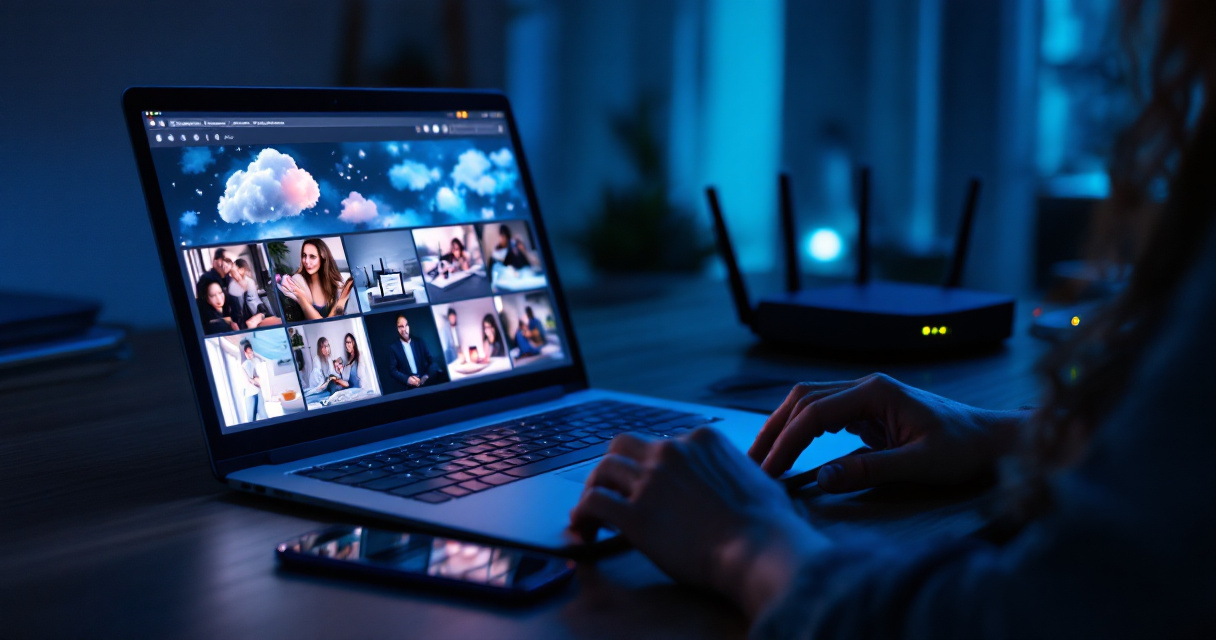
Here are the risks users should know before uploading their photos.
1. Long-Term Storage of Uploaded Images
Some platforms retain uploaded photos indefinitely. That means your face could remain on servers long after you've downloaded your headshots.
Safe services clearly state that images are deleted after processing or within a short timeframe.
2. Training AI Models Using Customer Photos
A few providers use customer uploads to improve their AI models. While this can enhance accuracy, it raises consent concerns if users were not informed.
Ethical AI platforms request permission before using images for training or avoid it entirely.
3. Data Breaches and Leaks
Any platform storing personal images carries a breach risk. Massive data leaks have occurred across many industries.
For example, the whistleblower organization Distributed Denial of Secrets has released large datasets from hundreds of organizations over the years, illustrating how large quantities of sensitive data can end up publicly exposed. Learn more in the List of material published by Distributed Denial of Secrets.
If a service stores thousands of facial images without strong protection, the consequences of a breach could be severe.
Key Security Features to Look for in a Trusted AI Headshot Tool
A secure platform should be transparent about how it handles your photos. Several technical safeguards signal responsible data practices.
Essential Privacy Features
- Automatic deletion of uploaded photos after generation
- Encrypted image uploads
- No resale or sharing of user images
- Clear data retention policies
- User control over deleting accounts or data
Transparent privacy policies are usually a stronger indicator of safety than marketing claims about AI quality.
Platforms that focus on professional branding tools often integrate these safeguards across their product suite. For example, tools like a LinkedIn post AI generator or a YouTube thumbnail AI generator rely on responsible image processing when generating visual content tied to personal brands.
Security Signals That Build Trust
You can quickly evaluate a tool by checking whether it provides:
- A clearly written privacy policy
- A defined photo deletion timeline
- Secure upload protocols
- Customer support for data requests
Services built around personal branding, such as The Looktara Lens, highlight these elements because users upload sensitive media that represents their identity.
Consent and Ethical Use of AI Portraits
Privacy does not stop with data storage. Ethical AI headshot generation also involves consent and responsible usage.
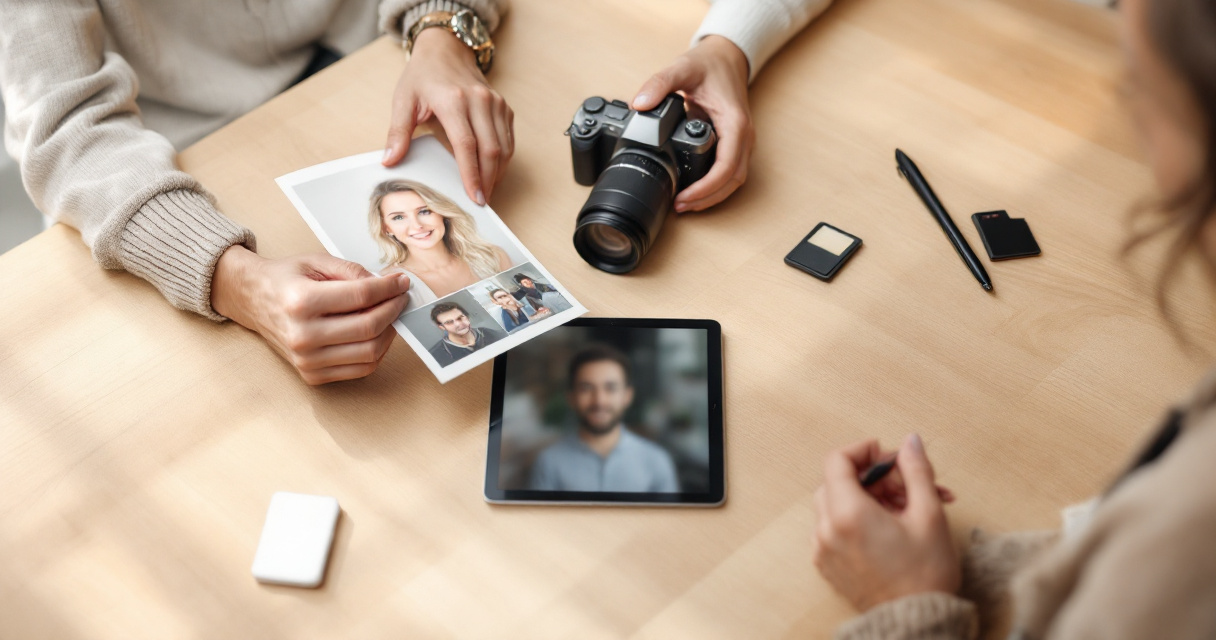
Scholarly discussions about digital communication highlight how technology reshapes expectations of privacy and identity. Hannah Zeavin's 2021 work The Distance Cure explores how digital tools influence interpersonal boundaries and trust in mediated environments. See the publication here: The Distance Cure.
In the context of AI portraits, consent matters in several ways.
Who Should Control the Images?
Users should always retain control of their generated portraits. Ethical platforms allow you to:
- download all generated headshots
- delete uploaded source photos
- remove generated images from servers
This ensures your likeness remains under your control.
Avoiding Misrepresentation
AI portraits should reflect your real appearance. Overly altered images can mislead employers, clients, or audiences.
Professionals who rely on authentic branding often pair headshots with other visual assets such as a logo created with an AI logo generator or marketing visuals like a Pinterest pin AI generator. Maintaining consistency across these assets helps avoid identity confusion.
How Platforms Like The Looktara Lens Address Privacy Concerns
Many users want studio-quality headshots without booking a photographer, but they also want assurance their photos are safe. That balance is where platforms like The Looktara Lens come in.
By focusing on professional image generation rather than broad social media experimentation, such tools can prioritize secure workflows.
Typical privacy-friendly design choices include:
- controlled processing pipelines
- secure image uploads
- limited storage duration
- clear user ownership of generated images
The goal is simple: generate professional portraits while respecting the confidentiality of the input photos. When using platforms like The Looktara Lens, users get modern AI-generated headshots while maintaining control of their personal images.
What AI Headshot Privacy May Look Like by 2027
AI imaging technology is evolving quickly, and privacy protections are evolving alongside it. Researchers studying digital data systems warn that user-generated content will continue expanding rapidly, making structured governance essential.
Future privacy improvements in AI headshot platforms may include:
Emerging Privacy Innovations
- On-device image processing that avoids cloud storage
- Automatic deletion timers visible to users
- encrypted face embeddings instead of raw image storage
- blockchain-based proof of image ownership
Some services may also adopt temporary training models that exist only during the generation session and disappear immediately afterward.
Conclusion
AI headshot tools can save time and money, but your photos deserve careful protection. Understanding how platforms collect, process, and store images makes it easier to choose services that respect confidentiality.
Before uploading your selfies, review the platform's privacy policy, check whether images are deleted after processing, and confirm that you maintain ownership of your generated portraits.
If you want professional AI headshots while keeping control of your personal data, explore The Looktara Lens. The platform focuses on privacy-conscious image generation designed for professionals, creators, and entrepreneurs who want high-quality portraits without compromising data security.
Generated by EarlySEO.com