

A polished profile photo can influence hiring decisions, brand perception, and social engagement. Yet most users never book a professional photographer. That gap explains the rise of AI headshot generation APIs. Developers now embed automated headshot creation directly into apps for resumes, professional profiles, and creator platforms. Tools like The Looktara Lens make it possible to generate studio-style portraits from simple uploads, which product teams can integrate into onboarding flows, profile builders, and marketing tools. This guide explains how AI headshot APIs work, how developers integrate them into modern applications, and what the technology will likely look like in the next few years.
Why AI Headshot APIs Are Becoming Core Infrastructure for Profile-Based Apps
Platforms built around user identity depend heavily on profile images. A strong photo increases trust, click-through rates, and profile engagement. That makes automated headshot generation appealing for developers building career, social, and creator tools.
For example, LinkedIn is a professional networking platform used worldwide for career development and employment connections. The service allows users to present professional profiles, including photos that shape first impressions online. According to the Wikipedia overview of LinkedIn, the platform centers on professional networking and job-seeking activity (LinkedIn overview).
AI headshot APIs remove friction by letting apps generate professional-looking images instantly. Instead of scheduling a photoshoot, users upload casual photos and receive studio-style portraits within minutes.
Headshot automation reduces one of the most common onboarding barriers for professional platforms: missing or low-quality profile photos.
Developers now add this capability directly into profile creation flows. A user uploads images, the backend processes them with generative models, and the system returns several portrait options optimized for resumes, networking sites, or social media.
Common product categories adopting headshot APIs include:
- Job platforms and resume builders
- Creator economy tools
- Dating and social apps
- Corporate HR onboarding systems
- Freelance marketplaces
Some platforms combine profile photo tools with other visual generators. For example, teams may pair headshots with branding assets created using tools like a fitness Shopify logo AI generator or presentation visuals such as a fitness Shopify pitch deck slide AI generator.
Understanding How AI Headshot Generation APIs Actually Work
Most AI headshot services use generative image models trained on large datasets of portrait photography. These models learn facial structures, lighting patterns, clothing styles, and camera angles that appear in professional photography.
A 2023 survey of generative AI applications published on arXiv explains how generative models can produce new visual content from learned data distributions (A survey of Generative AI Applications). Portrait generation APIs apply the same concept but constrain outputs to realistic human photography.
From a developer perspective, the system usually follows a predictable pipeline.
Typical AI Headshot Generation Pipeline
- User uploads photos: Usually 5 to 15 selfies or casual portraits.
- Preprocessing: Face detection and cropping standardize the dataset.
- Model adaptation: Some services fine-tune models using the uploaded images.
- Portrait generation: The system produces variations with different outfits, backgrounds, and lighting.
- Delivery via API: Generated images return as URLs or file objects.
Developers typically trigger this workflow through asynchronous API calls since image generation may take several minutes.
Key API Endpoints Developers Work With
- Image upload endpoint for training inputs
- Generation request endpoint that triggers the portrait creation process
- Status endpoint to check progress
- Download endpoint returning finished headshots
An open API is simply a publicly available application programming interface that allows developers to access software services programmatically (Open API definition). Headshot generators expose these endpoints so apps can automate the entire process.
Core Features Developers Should Evaluate Before Choosing an AI Headshot API
Not all headshot APIs produce the same results. Some focus on speed, while others emphasize realism or customization. Choosing the right one affects both user experience and infrastructure cost.
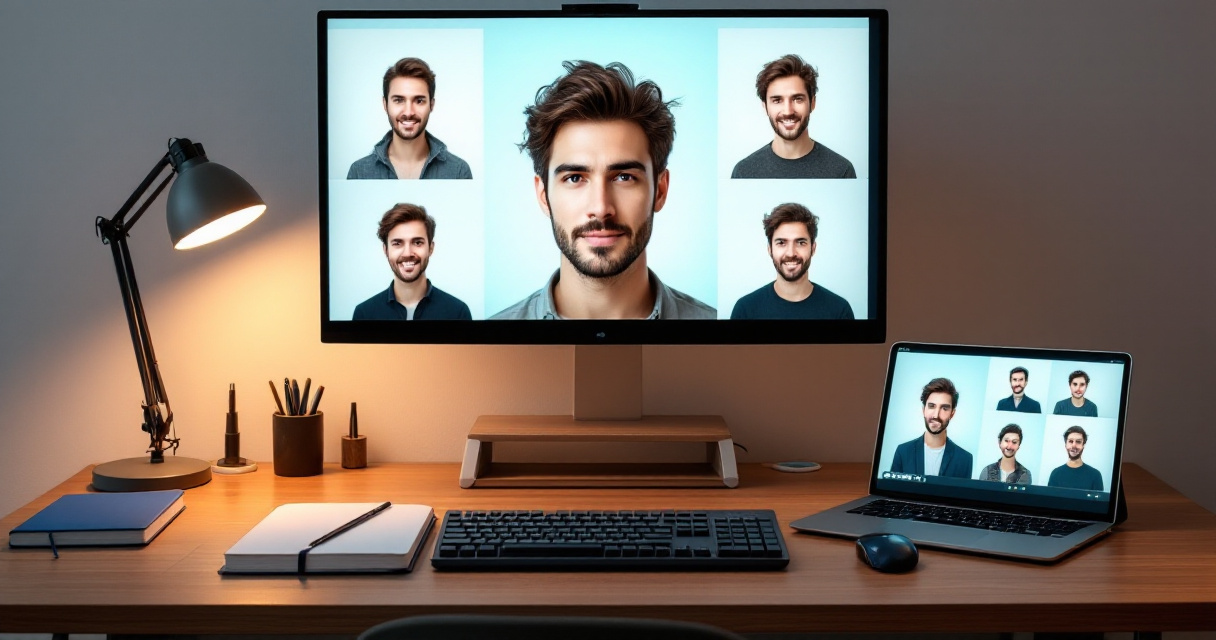
Feature Comparison Developers Often Prioritize
AI Headshot API Feature Comparison
| Feature | Why It Matters | Developer Impact |
|---|---|---|
| Image realism | Determines how natural portraits look | Affects user trust and adoption |
| Generation speed | Time needed to produce results | Influences onboarding flow design |
| Custom style presets | Business, casual, studio themes | Enables tailored profile images |
| Privacy handling | Secure image storage and deletion | Critical for compliance and trust |
| Batch generation | Multiple portraits per request | Improves perceived value for users |
Developers often test multiple APIs before selecting one. Speed and image realism usually determine the final choice.
Many products also combine headshots with other automated design tools. For example, teams creating professional content suites may integrate a headshot API alongside a fitness Shopify landing page banner AI generator to produce both profile images and marketing visuals.
Security and Data Handling Considerations
User photos contain biometric information, which means security matters.
A 2021 study in Proceedings of the ACM on Human-Computer Interaction examined ways to detect AI system errors through crowdsourced reports (Discovering and Validating AI Errors With Crowdsourced Failure Reports). Research like this highlights why developers must monitor AI outputs and handle user data responsibly.
Important practices include:
- Automatic deletion of training photos after generation
- Secure encrypted uploads
- Clear consent from users
- Content moderation for inappropriate results
Practical Integration Architecture for AI Headshot APIs
Developers rarely call headshot APIs directly from the frontend. Instead, most teams place the integration inside a backend service that manages uploads, processing, and delivery.
Recommended Architecture for Production Apps
- Frontend upload interface collects images from the user.
- Backend server sends the images to the headshot API.
- Async job queue monitors generation progress.
- Cloud storage stores generated headshots.
- Profile service assigns the best image to the user's account.
This structure prevents large image transfers from overwhelming client devices and keeps API keys secure.
Where AI Headshots Fit in a Modern Creator Toolchain
Headshot generation often becomes one step in a broader content creation workflow. A single user may need profile images, social media graphics, and marketing visuals.
Developers building creator platforms frequently combine portrait generation with design tools like:
- A fitness Shopify Pinterest pin AI generator for shareable visuals
- A fitness Shopify resume headshot AI generator for job applications
- A fitness Shopify LinkedIn post AI generator for professional content
Platforms such as The Looktara Lens provide these capabilities in a unified system, making it easier for developers to build end-to-end content creation features.
Real Product Use Cases for AI Headshot APIs
Headshot APIs solve different problems depending on the platform integrating them. Understanding these use cases helps developers design features that users actually adopt.

Professional Networking Platforms
Networking platforms rely on professional identity. Many users hesitate to upload photos because they lack a polished image. Integrating a headshot API allows the platform to generate professional portraits during onboarding.
Typical workflow:
- User uploads selfies
- Platform generates multiple headshots
- User selects their favorite
- Profile goes live with a polished photo
Freelancer Marketplaces and Creator Platforms
Freelancers and creators rely on strong visual branding. Marketplaces often encourage professional headshots to increase client trust.
AI generation helps by providing:
- Studio-style portraits without photography costs
- Consistent branding across profiles
- Fast updates when users refresh their profiles
Platforms integrating The Looktara Lens often use it as a plug-in service to produce profile images while other tools generate additional marketing assets.
Common Implementation Challenges Developers Should Plan For
Even though AI headshot APIs simplify image generation, several technical issues appear during real deployments.
Handling Processing Delays
Image generation may take several minutes depending on the model and infrastructure. Developers usually solve this with asynchronous workflows.
Recommended strategies:
- Background job queues
- Email or push notifications when images finish
- Temporary placeholder avatars
This keeps onboarding flows smooth while generation runs in the background.
Managing Large Volumes of Generated Media
Headshot generation produces many high-resolution images. As platforms scale, storage requirements increase quickly.
A 2024 IEEE paper on large-scale data systems discusses how emerging digital environments generate massive volumes of data that require new infrastructure strategies (Managing Metaverse Data Tsunami). AI image services contribute to that same growth.
Developers often address the issue with:
- Automated image compression
- Temporary storage for unused outputs
- CDN distribution for profile images
What to Expect From AI Headshot APIs in 2027 and Beyond
AI headshot tools are improving quickly. The next generation will likely offer deeper customization and real-time generation.
Developers should watch several trends.
Real-Time Portrait Generation
Future APIs may generate professional portraits instantly rather than through long background processes. Faster models and specialized hardware are making this realistic.
Full Digital Identity Creation
Portrait generation will likely expand into broader identity packages that include:
- Headshots
- Social media banners
- Resume visuals
- Presentation graphics
Platforms like The Looktara Lens already move in this direction by combining headshot generation with tools for marketing graphics and social media content.
Conclusion
AI headshot APIs are quickly becoming a standard feature in platforms that rely on user identity. From job marketplaces to creator tools, developers can now generate professional portraits automatically inside their apps. The key to a successful integration lies in choosing reliable APIs, designing asynchronous workflows, and protecting user data.
If you're building a platform that requires polished visual profiles, explore tools like The Looktara Lens. It provides AI-powered headshots and visual content generation that developers can incorporate into profile creation, branding tools, and marketing workflows. Start experimenting with headshot automation today and turn profile photos into a built-in feature instead of a user obstacle.
Generated by EarlySEO.com