
A headshot can decide whether someone clicks your profile, reads your resume, or invites you to an audition. A headshot is simply a photographic portrait focused mainly on the face, commonly used for professional profiles, casting submissions, and personal branding. Yet not all headshots serve the same purpose. Acting auditions demand emotion and character, while corporate headshots focus on credibility and approachability.
The rise of AI image generation has changed how people create these photos. Platforms such as The Looktara Lens now allow professionals to generate polished images for resumes, LinkedIn, and brand profiles in minutes. Still, the expectations for an actor submitting an audition photo are very different from those of a business professional updating a company bio.
Understanding those differences matters before you upload an AI-generated image anywhere. The wrong style can quietly signal the wrong message to casting directors or hiring managers.
What Makes Acting Audition Headshots Different From Corporate Headshots
An audition is a sample performance where actors present their ability to casting teams. Before that performance even begins, the headshot acts as the first impression. Casting directors often scan hundreds of photos quickly, searching for authenticity and personality.
Corporate headshots, by contrast, are designed for credibility. They appear on company websites, professional networks, pitch decks, and digital portfolios. The goal is not to show a character but to represent professionalism and trust.
A casting headshot sells possibility, while a corporate headshot sells reliability.
These goals change everything from lighting to expression.
Key Differences Between Acting and Corporate Headshots
| Feature | Acting Audition Headshot | Corporate Headshot |
|---|---|---|
| Primary goal | Show personality and casting range | Show professionalism and trust |
| Expression | Natural emotion, subtle character hints | Friendly, confident, neutral |
| Background | Simple but often textured or environmental | Clean, neutral, often studio |
| Wardrobe | Suggests character type | Business or business casual |
| Usage | Casting calls, talent agencies | LinkedIn, company websites, resumes |
Actors often submit multiple headshots representing different character types such as professional, casual, or dramatic. A corporate professional usually maintains one consistent image across profiles.
Digital branding also influences corporate photos. For example, a founder may pair their headshot with marketing materials created using tools such as a website hero image generator or social content assets. Consistency across those visuals builds credibility online.
How AI Headshot Generators Are Changing Professional Images
AI image tools have dramatically reduced the cost and time needed to produce professional portraits. Instead of scheduling a photoshoot, users upload selfies and generate multiple styled images within minutes.
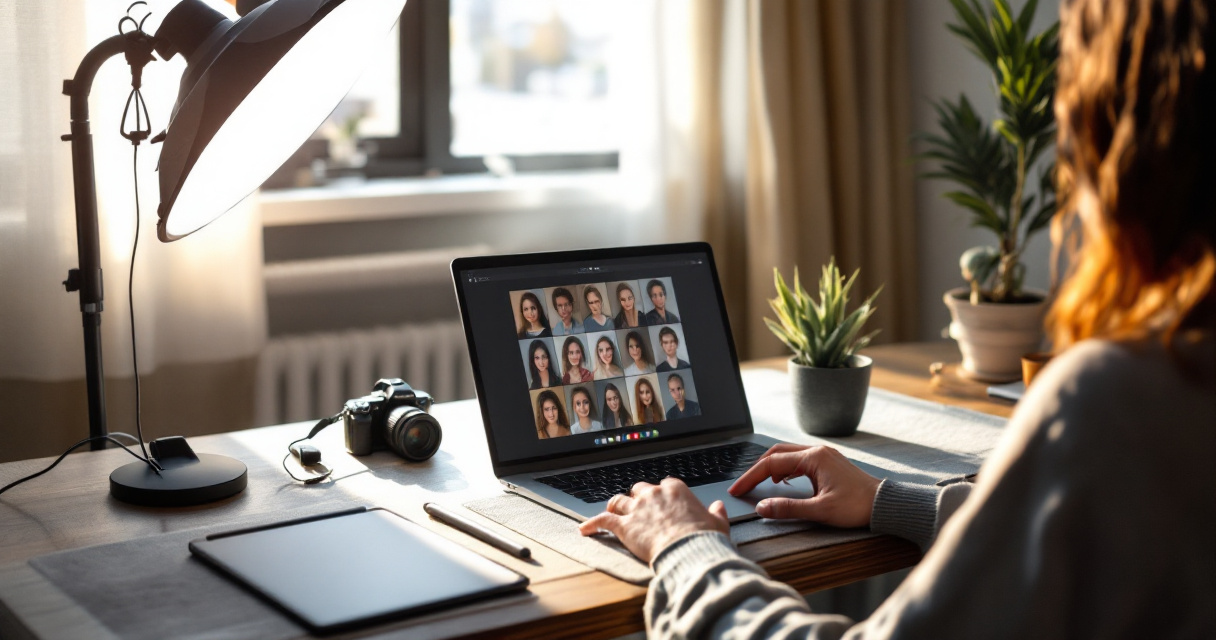
For many professionals, this convenience solves a real problem. Updating LinkedIn, a personal site, or a digital resume often requires a polished portrait but not a full photography session.
How AI Headshot Generation Typically Works
- Upload several photos of your face from different angles.
- The AI model analyzes facial features, lighting patterns, and pose data.
- The system generates new images using trained visual patterns.
- You select styles such as corporate, casual, or studio portraits.
The output can resemble a professionally shot image, especially for business use. Tools such as The Looktara Lens focus on producing images optimized for online professional branding.
Situations Where AI Headshots Work Well
- Updating LinkedIn profiles
- Creating website team pages
- Resume or job application photos
- Personal branding assets
Professionals frequently combine headshots with other visual content. For example, entrepreneurs may generate a headshot and then pair it with a pitch deck slide generator when presenting investors.
AI tools also integrate easily into social media workflows. A polished portrait might accompany posts created with a LinkedIn post generator to maintain consistent personal branding.
Still, AI images are not perfect for every scenario, especially in entertainment casting.
Why AI Acting Headshots Can Be Risky for Auditions
Casting professionals look for authenticity. Even subtle visual inconsistencies can raise questions about whether the photo truly represents the actor walking into the room.
AI-generated headshots sometimes introduce small details that feel slightly artificial. Lighting may be too perfect, skin texture overly smooth, or facial symmetry unusually precise. Those details rarely matter in corporate branding but can create doubt during casting.
Common Issues Casting Directors Notice
- Over-smoothed skin or unrealistic texture
- Lighting that doesn't match natural environments
- Slightly distorted eyes or facial proportions
- Inconsistent details such as hairlines or shadows
Actors also need images that reflect how they look right now. Haircuts, facial hair, and weight changes can make an AI-generated image inaccurate.
When AI Headshots Might Still Work for Actors
AI images are sometimes useful in early-stage portfolios or personal promotion.
- Building a starter profile before professional photography
- Social media branding for actors
- Personal websites and content channels
For example, actors who run YouTube channels may use portrait-style visuals alongside thumbnails generated with tools such as a YouTube thumbnail generator.
Casting submissions usually require accuracy over polish. If the photo feels artificial, it can weaken credibility before the audition begins.
Many actors still choose traditional photography for agency submissions because those photos match their real appearance under casting-room lighting.
Where AI Corporate Headshots Shine for Modern Professionals
Corporate branding prioritizes clarity and approachability. In this environment, AI headshots often perform extremely well.
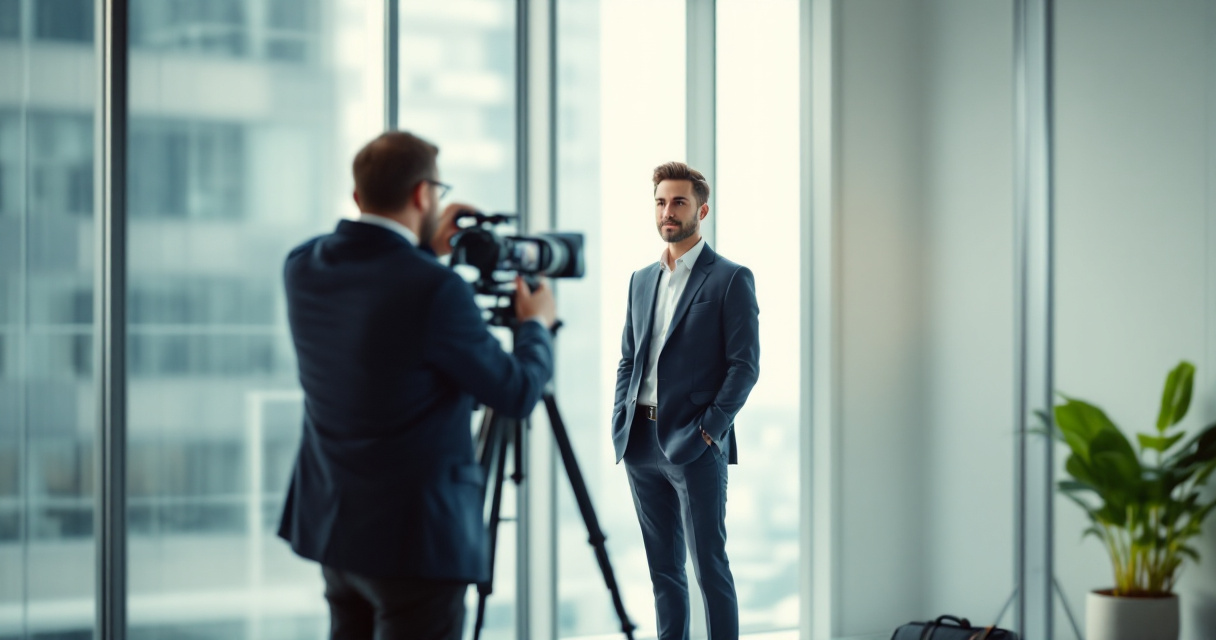
Hiring managers and clients mainly want a clean, professional portrait that communicates competence. Slight stylistic polish rarely causes concern as long as the image looks believable.
Corporate Profiles That Benefit From AI Headshots
- LinkedIn and networking profiles
- Company "About Us" pages
- Speaker bios for conferences
- Personal websites and portfolios
- Startup founder profiles
Many professionals also update multiple digital assets at once. A founder might create a headshot using The Looktara Lens, then design accompanying marketing visuals such as:
- presentation slides
- website banners
- promotional graphics
Consistency across those visuals improves brand recognition.
Comparing AI vs Traditional Corporate Headshots
| Factor | AI Headshot | Traditional Photoshoot |
|---|---|---|
| Cost | Usually low | Higher photography fees |
| Speed | Minutes to generate | Scheduling required |
| Style options | Many digital variations | Limited to shoot setup |
| Accuracy | Depends on training photos | Very accurate |
| Best use | Online profiles, branding | Executive portraits, media features |
For job seekers updating multiple profiles, AI tools are especially convenient. A quick image from a resume headshot generator can refresh resumes, professional networks, and portfolio pages without booking a studio session.
Choosing the Right Headshot Strategy in 2026
The question is not whether AI headshots are good or bad. The real issue is whether the image matches the goal.
Actors and business professionals operate in different visual cultures. Casting focuses on authenticity and character, while corporate branding values consistency and polish.
Quick Decision Guide
| Your Goal | Best Headshot Option |
|---|---|
| Acting auditions | Professional photography |
| Talent agency submissions | Professional photography |
| LinkedIn profile | AI or professional |
| Startup founder branding | AI or professional |
| Resume or online portfolio | AI works well |
Simple Rules to Follow
- Use real photography for casting submissions when accuracy matters most.
- Use AI headshots for digital branding where consistency and speed matter.
- Update images regularly so they reflect your current appearance.
Many professionals mix both approaches. An actor might maintain professional casting photos while using AI portraits for social media, content channels, or personal branding.
Platforms such as The Looktara Lens continue improving AI image realism, which means the gap between AI and traditional photos will likely shrink over time. But casting industries still value real-world representation above visual perfection.
Conclusion
Choosing between AI and traditional headshots comes down to purpose. Acting auditions require authenticity, personality, and an image that matches your real appearance under casting-room lighting. Corporate profiles focus on trust and polish, which makes AI-generated portraits far more practical.
If you need a fast, professional image for resumes, social profiles, or branding materials, AI tools can save time while keeping your online presence consistent. Platforms like The Looktara Lens are designed specifically for that use case, helping professionals create modern headshots without scheduling a studio session.
Before uploading your next profile image, decide what message the photo needs to send. If the goal is casting, prioritize authenticity. If the goal is professional branding, an AI headshot may be the fastest way to present yourself confidently across every platform.
Generated by EarlySEO.com