
A strong headshot can change how people read your LinkedIn profile, pitch deck, website, or dating app profile before they read a single word. The real question in 2026 is not whether AI is "good enough," but when an ai business headshot generator vs traditional photographer comparison points you toward speed, cost, control, authenticity, or creative direction. AI business headshot generator: software that turns uploaded selfies or casual portraits into professional-looking headshots with new outfits, lighting, and backgrounds. Traditional photographer: a human professional who plans, lights, shoots, directs, and edits your portrait in person. If you need polished images quickly, Looktara is built for that practical middle ground: professional-looking headshots without booking a studio session.
What is the real difference between an AI business headshot generator and a traditional photographer?
An AI business headshot generator creates professional-style portraits from existing photos, while a traditional photographer captures new images through an in-person shoot with lighting, posing, and human direction. The difference comes down to how the image is made, how much control you need, and how personal the final result must feel.
AI tools are strongest when you want a fast refresh for LinkedIn, Slack, resumes, speaker bios, or founder profiles. They can create many variations from a small set of uploads, which is useful when you want different outfits, backgrounds, or crops for different channels.
A photographer is strongest when the shoot itself matters. That includes executive branding, actor headshots, team photos, editorial portraits, press kits, and situations where expression, body language, and lighting need careful direction.
Key insight: AI is not replacing every portrait session. It is replacing the low-friction cases where people mainly need a clean, current, professional image.
Core terms for quick comparison
- AI-generated headshot: A synthetic or AI-edited portrait made from uploaded images.
- Business headshot: A professional portrait used for work, networking, hiring, sales, or personal branding.
- Studio session: A planned shoot with a photographer, controlled lighting, and selected backgrounds.
- Brand consistency: A set of portraits that look aligned across a team, website, or campaign.
How do cost, speed, convenience, and control compare in 2026?
AI headshot generators usually win on cost, speed, and convenience, while traditional photographers win on live direction, physical lighting control, and bespoke creative planning. In a 2026 comparison, ProfileBakery noted that AI headshots often cost $15 to $50, compared with $150 to $500 for a traditional photoshoot.
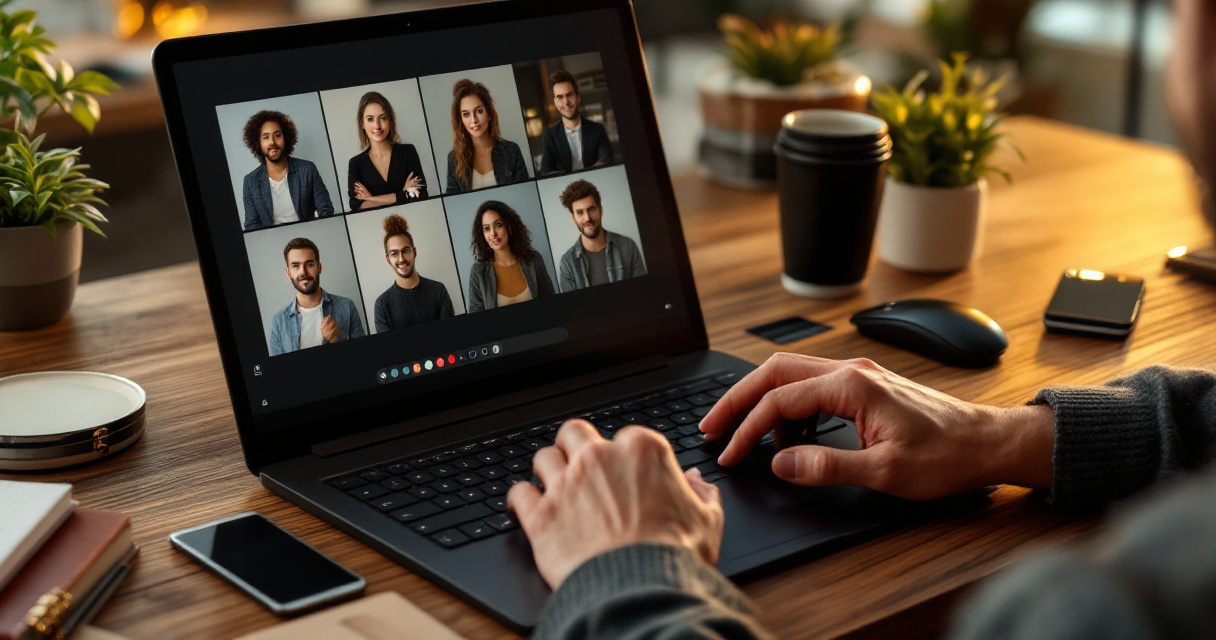
Turnaround is another major split. The same 2026 competitor comparison described AI turnaround as much faster than sessions that can take days or weeks once booking, shooting, selection, and editing are included.
That said, price alone should not decide the choice. A bad headshot, cheap or expensive, can still hurt trust. Your best option depends on where the image will appear and how much reputational weight it carries.
Side-by-side decision table
| Factor | AI business headshot generator | Traditional photographer | Best fit |
|---|---|---|---|
| Cost | Usually lower, often package-based | Higher due to shoot time, editing, and studio costs | AI for budget-conscious updates |
| Speed | Often same day or very fast | Usually slower due to scheduling | AI for urgent profile refreshes |
| Convenience | Remote, no travel, no studio | Requires location, time, and prep | AI for remote workers and busy founders |
| Creative direction | Limited to uploads, prompts, and style choices | Human coaching, posing, and adjustments | Photographer for nuanced branding |
| Consistency | Strong for many similar outputs | Strong if one photographer shoots everyone | Either, depending on team size |
| Authenticity | Depends on source photos and model quality | Captures your real face in the moment | Photographer for high-stakes uses |
Where the numbers matter most
Cost gaps matter most for job seekers, freelancers, and small teams that need updated images but cannot justify a full studio budget. Speed matters most when you are applying for roles, launching a website, updating a sales profile, or preparing for an online event.
Control matters most when the image must match a strict brand system. A founder raising capital, a consultant refreshing a premium website, or an actor submitting for casting may need the level of detail a photographer can manage in person.
When should you choose an AI headshot tool instead of booking a photographer?
You should choose an AI headshot tool when you need a polished, professional-looking image quickly, affordably, and remotely for everyday business profiles. It is especially useful when your goal is to look credible on LinkedIn, your resume, your company bio, or a creator profile without arranging a full photoshoot.
For many people, the biggest benefit is momentum. Updating your profile should not take three weeks. If you already have decent selfies or casual portraits, AI can turn that existing material into a usable set of professional options.
Best-fit scenarios for AI-generated business headshots
- Job seekers: Use AI when you need a clean LinkedIn image before sending applications.
- Remote workers: Use AI when your team is distributed and no shared studio day is realistic.
- Freelancers: Use AI when your website, invoices, proposals, and social profiles need one consistent look.
- Founders: Use AI for early pitch decks, product pages, and quick press requests.
- Creators: Use AI when you need multiple looks for newsletters, podcasts, thumbnails, and social banners.
- Dating app users: Use AI carefully when you want a better-presented version of yourself, not a fake persona.
How Looktara handles fast professional headshots
The Looktara platform fits people who want the convenience of AI without turning their headshot update into a design project. Instead of coordinating travel, outfits, weather, studio time, and retouching rounds, you can focus on choosing images that match your professional identity.
That makes Looktara a practical choice for career updates, founder bios, and creator profiles where you need credible visuals fast. The value is not just lower friction; it is getting several usable options so you can pick the one that feels most natural for the platform you care about.
When is a traditional photographer still the better choice?
A traditional photographer is still the better choice when the portrait must be highly authentic, carefully directed, legally sensitive, or part of a larger brand production. Human photographers can coach expression, adjust posture, shape light, and notice small details in real time.

Actor headshots are a good example. One ranking article in the research set argued that actors should avoid AI headshots and use traditional photography because casting depends on accuracy and individuality. That advice is reasonable for any use case where the image must represent exactly how you look in person.
Traditional sessions also work better when you need environmental portraits. A dentist in a clinic, a chef in a kitchen, or a CEO in a company workspace may need real context, not a generated background.
Use a photographer when these details matter
- You need exact likeness: Casting, speaking, press, and legal profiles leave little room for visual mismatch.
- You need body direction: Full-body, seated, team, or lifestyle portraits benefit from coaching.
- You need location truth: Real offices, labs, clinics, studios, and retail spaces build trust.
- You need brand art direction: Complex lighting, props, wardrobe, and campaign concepts need a human crew.
- You dislike self-selection: A photographer can help you choose the strongest expression, not just the sharpest image.
Common mistakes to avoid with either option
Do not use a headshot that looks dramatically younger, slimmer, more formal, or more polished than you appear in real life. That can create distrust when someone meets you on a video call or in person.
Also avoid over-editing. Skin that looks waxy, eyes that look unnatural, mismatched earrings, strange collars, warped glasses, and inconsistent teeth can make people question the whole profile. Review every image at full size before using it publicly.
How should job seekers, founders, creators, and teams decide?
The best choice depends on the business risk of the image, not on whether AI or photography is generally "better." Use AI for speed and variety, use a photographer for personal direction and high-stakes accuracy, and consider both when your brand needs quick updates plus hero images.
A useful rule: match the production effort to the audience. Recruiters browsing LinkedIn need clarity and approachability. Investors reviewing a founder page may expect polish. Customers buying from a consultant may want warmth and trust. Casting teams need accuracy above everything else.
Decision guide by user type
| User type | Choose AI when | Choose a photographer when |
|---|---|---|
| Job seeker | You need a fast LinkedIn or resume refresh | You are applying for executive roles with high personal visibility |
| Founder | You need pitch deck, website, and press bio options quickly | You are creating a full brand campaign or media kit |
| Freelancer | You need consistent profile images across platforms | Your service depends heavily on personal trust and premium positioning |
| Creator | You need many looks for content channels | You need editorial portraits, cover art, or campaign imagery |
| Team lead | You need remote-friendly consistency | You can gather everyone for one branded shoot |
| Dating app user | You want a polished but honest profile image | You want lifestyle photos that show real settings and personality |
A simple 5-step choice process
- Define the use case: LinkedIn, website, press, sales, casting, dating, or team page.
- Set the risk level: Ask what happens if the image feels slightly inaccurate.
- Check your timeline: If you need it this week, AI has a clear advantage.
- Review your source photos: AI works better when your uploads are clear and varied.
- Pick the final image honestly: Choose the headshot that looks like you on your best normal day.
If you want the fastest path, create a small set first, then test it with people who know you professionally. With Looktara, that feedback loop is simple because you can compare multiple looks before committing to one public profile image.
Frequently asked questions about AI business headshots vs photographers
These answers cover the most common buyer questions about choosing between generated business portraits and traditional photography in 2026.
Are AI business headshots good enough for LinkedIn?
AI business headshots are often good enough for LinkedIn when they look natural, current, and professionally framed. The image should still resemble you closely, with realistic skin texture, normal lighting, and no odd details around glasses, hair, teeth, or clothing. For most job seekers and remote professionals, that level of polish is enough.
Can employers tell if a headshot was made with AI?
Employers may notice if an AI headshot has visual artifacts, overly perfect skin, strange backgrounds, or a face that does not match your video interview presence. They are less likely to care if the image looks accurate and professional. The safest approach is to choose a realistic result over the most glamorous one.
Is a photographer worth it for executives?
A photographer is often worth it for executives when the headshot will appear in press, investor materials, board pages, conference promotions, or major company announcements. Executive portraits carry more brand weight, so live direction, wardrobe planning, lighting control, and environmental context can justify the higher cost and longer timeline.
Should teams use AI headshots or one company photoshoot?
Teams should use AI headshots when employees are remote, budgets are tight, or updates happen often. A company photoshoot is better when everyone can meet in one location and the brand needs a unified editorial style. Hybrid teams may use AI for consistency now, then schedule a formal shoot for major brand launches.
Conclusion
The smart answer to ai business headshot generator vs traditional photographer is situational: choose AI for speed, affordability, and everyday profile polish; choose a photographer for high-touch direction, exact likeness, and brand-critical work. If your current headshot is outdated, start with the fastest low-risk win. Gather your best recent photos, generate a few professional options, ask two trusted people which one feels most like you, and update the profile that matters most first. For a practical AI-first route, visit looktara.com and create a polished set you can use across LinkedIn, bios, and professional profiles.
Generated by EarlySEO.com